

Bulawayo Youth turns waste food into agri-art masterpieces to tackle climate change

Providence Moyo
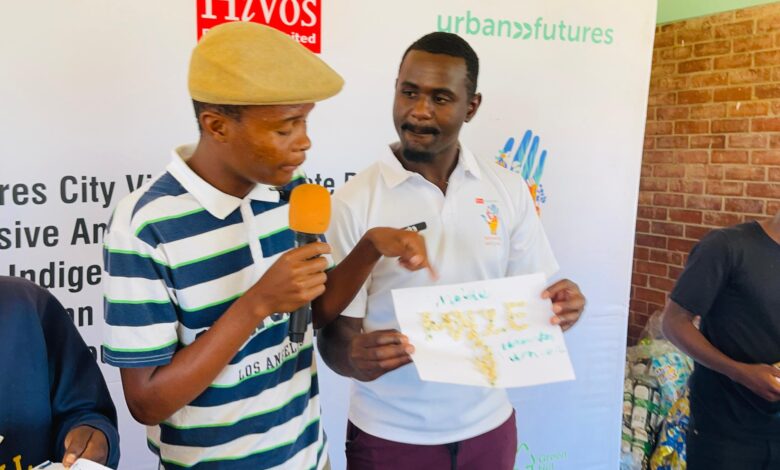
A 20-year-old Zimbabwean creative, Bongani Mandizvidza, is turning food waste into a powerful tool for climate education through an innovative initiative he calls Agri-Art. Using discarded cereal grains such as sorghum, crushed maize, and groundnuts, Bongani creates striking visual artworks that highlight environmental challenges while empowering young people to take climate action.
What began as a passion project during a climate training workshop has evolved into a growing movement that fuses creativity, agriculture, and sustainability. Bongani’s artworks not only captivate audiences but also spark vital conversations about food waste, recycling, and climate resilience.
“In most markets, damaged or unsellable grains are thrown away,” says Bongani. “I saw an opportunity to repurpose them into something that tells a story about the planet, hunger, and solutions.”
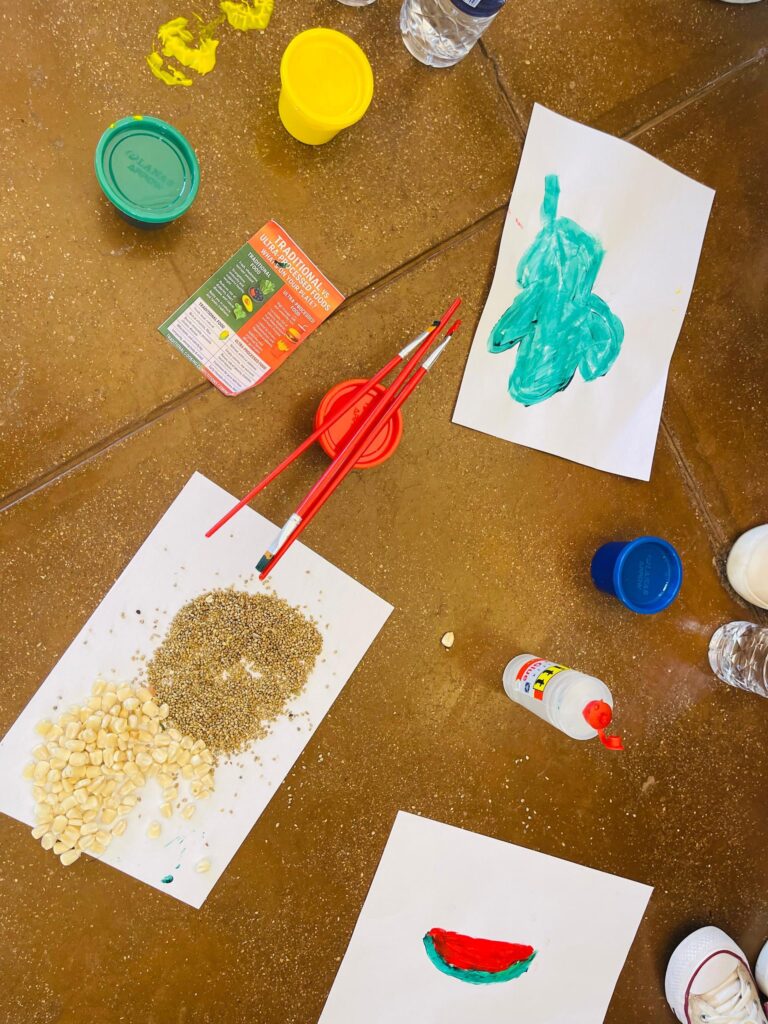
Using A4 bond paper, glue, brushes, and dried food waste, Bongani creates murals and portraits that depict scenes of climate justice, food sovereignty, and African resilience. His work is often showcased at community centers, schools, and local climate forums.
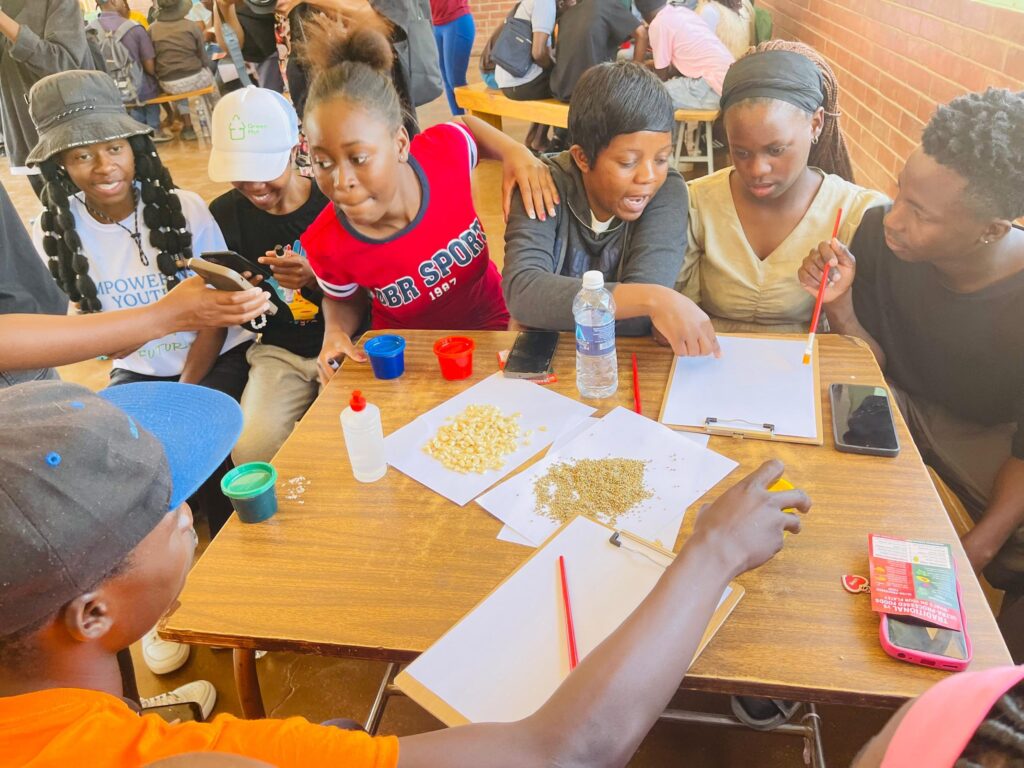
As the Agri-Foods systems lead under the Climate Change Youths Committee of Urban Futures in Bulawayo, Bongani has attended workshops with local youths teaching them both the techniques of Agri-Art and the environmental messages behind it. “It’s not just about making beautiful pieces, it is about educating our communities, especially young people, on how we can turn problems into possibilities,” he says.
These sessions are low-cost and highly interactive, promoting the circular economy model of “make, use and reuse.” Participants leave not only with a piece of art but also a new perspective on sustainability and innovation.
His message is especially relevant in Zimbabwe, where climate change has exacerbated food insecurity and disrupted traditional farming practices. Bongani believes young people are uniquely positioned to drive grassroots climate action.
Bongani hopes to scale his project into a citywide campaign, establishing mobile Agri-Art exhibitions and securing funding for materials and training kits. He also envisions partnering with schools to integrate Agri-Art into environmental education curricula.

“In a world full of waste, we can choose to create,” he says. “Agri-Art is my way of turning something discarded into something valuable for the planet and for the people.”
As climate threats intensify, voices like Bongani’s remind us that creativity, when paired with purpose, can be a powerful tool for change. Through grains and glue, this young artist is planting seeds of awareness, one artwork at a time.