
Mosi Oa Tunya High School’s unique phenomenon: 18 sets of rwins and triplets

Tracy Moyo
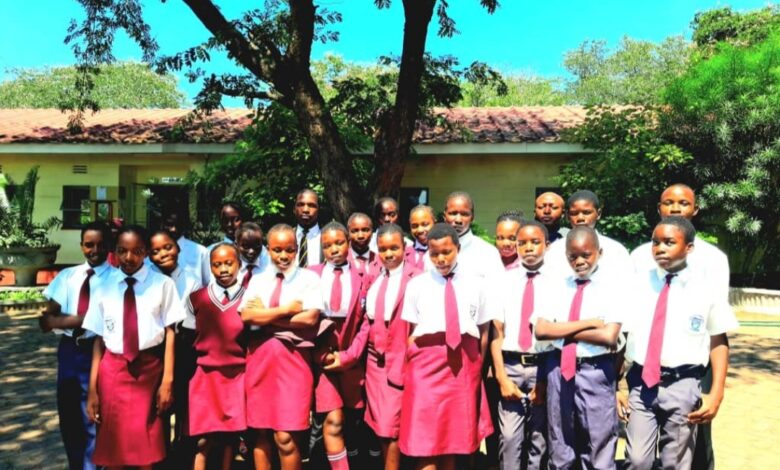
Mosi Oa Tunya High School in Victoria Falls is home to an extraordinary situation – among its 1,300 students are 18 sets of twins and one set of triplets, creating unique dynamics in classroom management and student development.
Senior Master Ngonidzashe Tanuke, himself a twin, explained: “We have 18 sets of twins and one set of triplets at our school – this is the first time we’ve had so many. While they motivate each other academically, we’ve found it helpful to separate some into different classes and use code names for identification.”
The twins are distributed across grades:
– Form 1: 10 sets
– Form 2: 4 sets
– Form 3: 1 set
– Form 4: 1 set
– Form 5: 2 sets
– Lower Sixth: 1 set of triplets
School Head Roland Sibanda noted: “In a school of over 1,300 students, having this many twins and triplets is statistically remarkable. It’s both fascinating and occasionally challenging for our staff.”
Perseverance Gumbo, a Lower Sixth twin, shared her experience: “Teachers sometimes mistake me for my twin. When we explain they’ve confused us, they joke about ‘twin syndrome’. But we prefer staying together – we support each other’s studies.”
The school has adapted its approaches to accommodate this unique situation while maintaining standard academic expectations for all students. While the twin population has attracted local attention, the school emphasizes it continues to focus on providing quality education to all learners regardless of their sibling status.