
Zimbabwean in Russia Says Volunteers Know Risks Amid War Recruitment Claims

Matebeleland Pulse Reporter
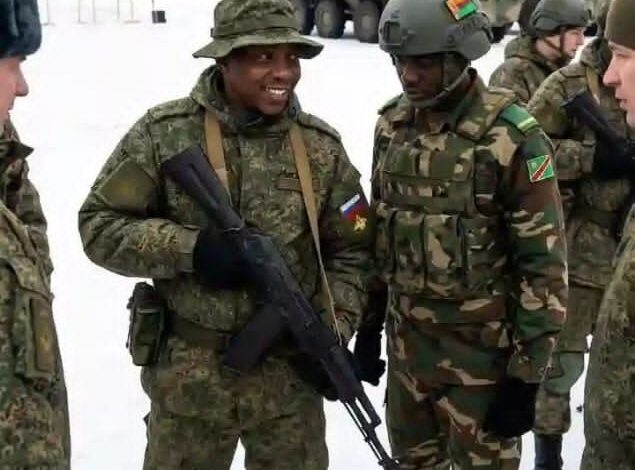
Reports that Zimbabweans are being misled into joining the Russian Armed Forces are inaccurate, according to a Zimbabwean who says he has interacted with recruits in Russia, insisting that volunteers understand the risks before agreeing to participate in the ongoing war against Ukraine.
“Reports that Zimbabweans are being hoodwinked to come here are false. Everyone who comes here knows what they are doing and what they are here for,” said Mqondisi Tshuma, who spoke to Matebeleland Pulse about the recruitment of Zimbabwean nationals into the Russian military.
“Before anyone signs the dotted line, authorities here tell them that if they are not up for it, they have the option of going back home. No one is forced,” he said.
Videos reviewed by Matebeleland Pulse appear to support the claim that some individuals are aware of the nature of the work they are signing up for. In the recordings, Zimbabwean nationals Tonny Mpofu and Clement Ngwabi are heard stating that they intend to join the Russian military and take part in the war effort.
However, the exact location and date of the recordings could not be independently confirmed.
The footage offers a rare glimpse into how some Zimbabwean nationals may be ending up in the Russia-Ukraine conflict, which has drawn foreign volunteers from several countries since the war escalated in 2022.
Tshuma said financial incentives could be influencing some recruits.
“The problem that we have observed among our Zimbabwean compatriots is that most come here with the intention of getting the lump sum and disappearing. The moment that money reflects back home they want to follow it,” he said.
Individuals familiar with the recruitment environment claim that foreign volunteers may be offered a sign-on payment of about US$3,700 and monthly payments of around US$3,000 under military contracts. Matebeleland Pulse could not independently verify the payment structure.
Some individuals working with recruits have alleged that disputes have arisen after volunteers joined, particularly when expectations around payments or service conditions differed. Matebeleland Pulse was unable to independently confirm those allegations.
Another Zimbabwean associated with recruits, Melusi Khumalo, who said he works as a communications trainer with African recruits in the Russian-controlled region of Donetsk, alleged that some volunteers attempted to leave after receiving payments. Those claims could not be independently verified.
Other Zimbabweans involved in the recruitment environment say they remain committed to their contracts. One recruit identified as Ntokozo Mtali said he joined voluntarily.
“War is horrible, but we have to face it because it is our choice,” Mtali said. “I sent my package back home without any difficulties.”
The Government of Zimbabwe has meanwhile warned citizens to exercise caution when considering overseas employment opportunities that may place them in conflict zones.
Officials from the Ministry of Public Service, Labour and Social Welfare (Zimbabwe) say authorities are aware of reports that Zimbabweans may be travelling abroad after being promised lucrative employment opportunities.
Minister Edgar Moyo said the government is investigating possible recruitment networks targeting Zimbabwean citizens.
“The Government of Zimbabwe is aware of reports and concerns regarding Zimbabwean citizens who may have been misled into travelling to Russia under the guise of lucrative employment opportunities,” Moyo said in a statement.
Authorities say they are working with labour inspectors and diplomatic missions to identify possible unlicensed recruitment agencies and have urged citizens to carefully verify overseas job offers, particularly those linked to countries involved in armed conflict.
Matebeleland Pulse continues to seek additional verification regarding the circumstances under which Zimbabwean nationals may be travelling to Russia and the nature of any recruitment arrangements linked to the war.