
GBV Indaba Calls for Urgent System Reforms

Thandeka Mpofu
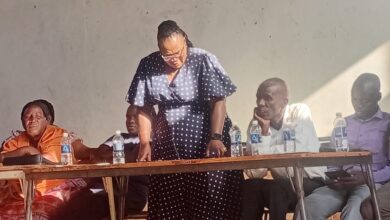
Stakeholders at the High-Level Political Compact (HLPC) Accountability Indaba, hosted by the Women’s Coalition of Zimbabwe (WCOZ), have called for urgent reforms to strengthen the response to gender-based violence (GBV), warning that current systems are failing to adequately protect vulnerable groups.
Held under the theme “Reflecting on Progress, Assessing the HLPC on GBV and Harmful Practices towards 2030,” the indaba brought together women’s rights organisations, policymakers and civil society actors to assess progress and identify persistent implementation gaps in efforts to eliminate GBV by 2030.
Participants acknowledged legislative gains, including the Marriage Act, which criminalises child marriage, and the Cyber and Data Protection Act. However, weak enforcement and limited community-level implementation continue to undermine these protections.
A key concern raised was the exclusion of persons with disabilities from GBV prevention and response systems. Stakeholders called for the integration of disability-disaggregated data into national systems to improve targeting and service delivery.
Disability and inclusion specialist Agnes Chindimba highlighted accessibility barriers faced by survivors with disabilities, including communication challenges and inaccessible infrastructure.
“Access to information is a fundamental right. If communication systems are not inclusive, then the response itself is incomplete,” she said.
She urged the adoption of inclusive communication tools such as sign language interpretation, captioned content, braille, pictorial messaging, audio formats and wider use of community radio and WhatsApp platforms for grassroots reach.
Participants also raised concerns over fragmented service delivery, saying survivors often face delays, confusion and victim-blaming when seeking help from police, health services and social welfare institutions.
Some stakeholders questioned the effectiveness of emergency response systems, noting that police telephone response services are often non-functional or unreliable.
“There is no clear pathway for victims. The system is disjointed, and this weakens both prevention and response,” one participant said.
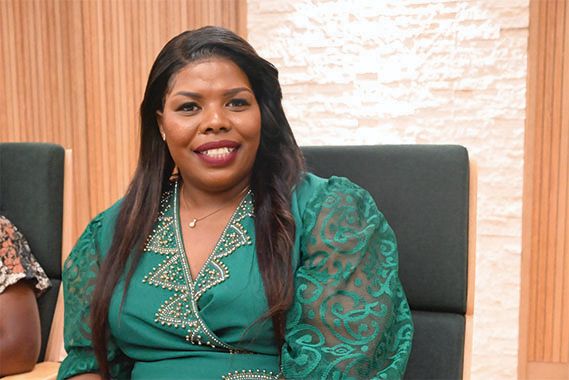
A report by the Musasa Project highlighted concerns over the dormancy of the Domestic Violence Council, a key coordinating body in GBV response. Virginia Muwanigwa, Chief Executive Officer of the Zimbabwe Gender Commission, called for its urgent operationalisation.
“The Council needs to be set up, or the process needs to be wrapped up and begin operating,” she said.
Funding constraints were also highlighted, with civil society organisations reporting heavy reliance on donor funding, limiting the sustainability of GBV programmes.
Proposals included increased domestic resource allocation and the establishment of a dedicated national GBV fund to support grassroots organisations.
Traditional and religious leaders were identified as key actors in GBV prevention due to their influence at community level. Bishop Masunungure noted that differing beliefs and limited resources remain barriers to effective outreach.
Participants also raised concerns that, in some communities, harmful practices are still being resolved informally outside the formal justice system, weakening survivor protection and accountability.
Programmes targeting men and boys were highlighted as essential in addressing the root causes of GBV. Community initiatives led by Padare were cited as effective in engaging men on issues of masculinity, power and conflict resolution.
Participants agreed that the challenge lies less in policy development and more in implementation and coordination gaps.
“The frameworks are there. What is needed now is commitment, coordination and resources to ensure that every survivor can access justice and support,” one speaker said.
The indaba concluded with calls for a unified, coordinated and well-resourced approach to achieving the 2030 target of eliminating GBV.
The HLPC, launched in 2021, is a multi-stakeholder platform bringing together government, civil society and development partners to strengthen legal frameworks, accountability and GBV prevention systems.