
Government Gazettes National Drug and Substance Abuse Control and Enforcement Agency Bill

Loraine Phiri
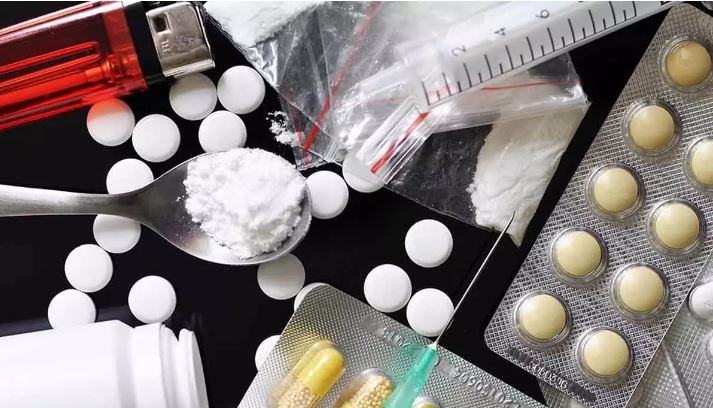
The Government has gazetted the National Drug and Substance Abuse Control and Enforcement Agency Bill [H.B. 12, 2025], marking a major step towards intensifying the national fight against drug and substance abuse in Zimbabwe.
In a statement posted on X yesterday, the Office of the Attorney General of Zimbabwe said: “The National Drug and Substance Abuse Control and Enforcement Agency Bill [H.B. 12, 2025], gazetted on 10 October 2025, highlights the significant move Government is undertaking to combat drug and substance abuse.”
According to the Office, Section (3) of the Bill establishes a specialised National Drug and Substance Abuse Control and Enforcement Agency, which will be tasked with enforcing laws related to drug trafficking and substance abuse.
The statement added that Section 4(1)(b) of the Bill “empowers the Agency, in coordination with the Police Services and other Security Services, to dismantle drug trafficking and distribution networks by enforcing laws governing controlled substances.”
At the same time, Section 4(1)(a) “sets forth that the Agency will facilitate re-integration of affected individuals into society, in partnership with health and social service providers.”
“In line with Section (5), the Agency, therefore, will comprise two main divisions; the Enforcement Division and the Social Services Intervention Division,” the Office said. “The Enforcement Division will be empowered to dismantle drug trafficking and distribution networks by enforcing existing laws governing controlled substances. Simultaneously, the Social Services Division will facilitate for affected individuals and work in partnership with health and social service providers to their reintegration into society.”
The Office of the Attorney General noted that the establishment of the new Agency “is expected to have a significant impact on Zimbabwe’s fight against drug abuse. The agency’s work will be crucial in addressing the social and economic consequences of drug abuse, including the breakdown of families, loss of education, and rising crime rates.”
For more information and to track the progress of the Bill, the office encouraged citizens to visit its website at attorneygeneral.org.zw