
Over the Border, Under the Radar: The Shadow Economy of Omalayitsha at Beitbridge Thembelihle Mhlanga

Thembelihle Mhlanga
Beitbridge Border Post, Zimbabwe’s busiest gateway to South Africa, bustles daily with legitimate commerce and human traffic. But beneath this surface frenzy lies a shadow economy fueled by Omalayitsha—informal couriers and transporters exploiting every weakness at the border to move goods and vast sums of money off the record, bleeding Zimbabwe’s revenue collection each year.
This reporter witnessed how, Omalayitsha operate and evade border systems following observations from November 29, 2025 in Johannesburg. After spotting a promising lead, I reached out to Dumisani Tshongwe, an experienced Malayitsha plying the Johannesburg (South Africa) – Bulawayo (Zimbabwe) route although he occasionally reaches his home area, Tsholotsho in Matabeleland North.
Tshongwe, who has over a decade experience in the trade, agreed to transport me and my language from Esibayeni, a docking and loading hub in Johannesburg, to the drop-off point in Bulawayo.
“If you want to know how money and goods move quietly, you need to ride with us,” Tshongwe said as he advertised his trade.
Loading the Quantum: The Cargo and the Crew
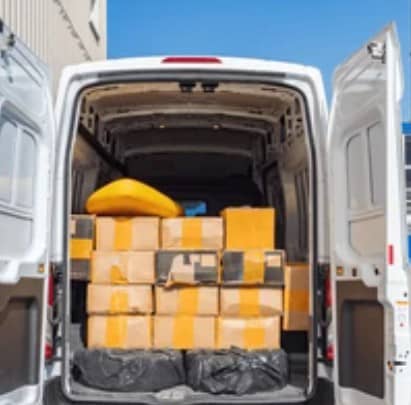
At Esibayeni, I witnessed the meticulous loading process. Our transport was a Toyota Quantum minibus, stripped of almost all passenger seats except those for the driver, conductor, and four passengers. The rest of the space was stuffed tightly with cargo.
I got a few goods loaded before our departure at 4pm. Other passengers had building materials such as tiles, assorted clothing, and cellphone accessories items which are in demand in Zimbabwe but often heavily taxed when imported legally. The trailer on the Quantum was loaded with boxes containing household electronics and mobile phones, wrapped in plastic sheeting to protect them from dust.
Tshongwe explained, “Everything you see here moves under the radar. Cargo is packed tight so that we maximize what we can carry. And every box matters because that’s money not going through customs.”
He was accompanied by a conductor Philani Ncube, responsible for passenger passports. When travelling with Tshongwe, passengers do not leave the vehicle, including at the border, to minimize mistakes and counter delays. The crew gets passports stamped for passengers.
Why Use Omalayitsha? The Unseen Benefits
I asked Tshongwe why some people rely on Omalayitsha instead of formal transport.
“It’s simple speed, cost, and discretion. Customs and taxes hike official costs. If someone wants to avoid paperwork, expenses, and save time, Omalayitsha are the best option. Senior government officials and businessmen, who need their goods and money moved quietly and quickly while evading tax, are among our customers,” he said.
His reliable and regular clients include gold dealers and money changers
The Price Paid and What It Covers
The transport charge was R500 for the journey from Johannesburg to Bulawayo, with an additional R300 ‘facilitation fee’ to cover bribes as well as US$10 which stands a security deposit in case the police at roadblocks demand to search the baggage and see declaration forms. It is however refundable if the trip is smooth. In my case, the R800 covered all costs from Johannesburg loading bay, border crossing, to the final drop-off in Zimbabwe (Bulawayo).
“Once you pay, we handle all risks and processes. You don’t have to disembark; you keep passports with the conductor. The extra USD10 you paid is for passing the roadblocks in case police become nasty,” Tshongwe stated firmly.
Before leaving Esibayeni Tshongwe called his connections at the immigration department and Zimbabawe Revenue Authority. The call was meant to alert them he was on the way. The officers in turn, told him what time to arrive at the border and which counter and person to approach.
Omalayitsha now have connections at the border who facilitate their easy passage without fully declaring goods, for a fee.
Inside the Quantum: Passengers and their Cargo
This reporter observed that a large amount of Rand was also being brought into Zimbabwe, destined for street money changers in Bulawayo.
Tshongwe revealed omalayitshas’ network of money changers connects informal financial flows between South Africa and Zimbabwe, facilitating currency swaps necessary in a market where cash liquidity is scarce. The money circulates outside the formal banking system.
Border Operations: The Invisible Passage
At the South African border nothing much was done as the conductor jumped out with passports for stamping. A R200 note was palaced in one of the passports to facilitate jumping the queue.
On the Zimbabwean side the conductor once again reminded everyone of instructions: “No one gets off at the border Keep calm, no sudden moves even if a police officer or any border official comes here it’s us handling the situation,” he charged.
The conductor disembarked with our passports with each passport inserted with a $10 note. He went straight to the counters. After a short while, a Zimbabwe Revenue Authority official approached, our vehicle carrying our passports with the conductor following from behind. The officer just looked inside the vehicle, without scanning or inspecting luggage. He did not inspect the packed boxes or trailer.
He greeted the driver and we proceeded to the exit point, where the driver handed a security guard at the gate a rolled R200 and that saw us out. The security details at the exit gate carry out final checks. They are supposed to see if duty receipts and declaration forms are in place, but in our case, we were just let through.
“See? It’s very simple and seamless,” Tshongwe smiled. “That R200 bribed our quick way out of the main border where declaration forms and duty receipts are checked but you saw it, no hustle”
Money Movement and Final Drop-Off
Once across, Tshongwe explained how cash is collected and delivered.
“Clients hand me money directly and give me details of an intermediary in Bulawayo—usually the trusted street money changers I mentioned and physical sealed packets with clear instructions, like these ones I will deliver to the guys” he said.
Tshongwe also revealed that he transports cash and gold to South Africa. He receives packed gold from the mostly politicians who own artisanal mines. The gold is packaged in cellphones or other small packaging cartons. He said the gold can be hidden “in plain sight” such as the dashboard, with officials not knowing it’s a package of importance.
Arrival in Bulawayo
When we arrived in Bulawayo he drove straight to Burnside high precast-walled house with razor wire. He parked few metres from the gate and a few minutes later a Black Fortuner with tinted windows approached. Tshongwe handed the sealed boxes and some documents.
The Scale of the Operation
Dumisani admitted the staggering scale: “I move nearly $2 million and about R3 million in Rands monthly across the border. Senior officials, politicians, businessmen rely on networks like ours. They want to keep their money quiet, move goods fast, avoid taxes, and stay off radar.”
Perfect Muleya another Malayitsha revealed that most of the business cronies like the property owners who have property in both Zimbabwe and South Africa do not want their money transferred through the formal system.
Muleya was transporting an assortment of goods including dynamites used as explosives in mining operations.
“We carry a lot of things that supposed to pay duty, but to evade that, the owners engage us to transport these items across border,” said Muleya
Roles and Responsibilities on the Journey
Before dropping I quizzed Tshongwe about how the syndicate really works. He said the driver navigates the route, handles logistics, knows officials and routes.
The conductor collects passengers’ passports, manages cash bribes and coordinates border interactions.
Passengers mostly traders or couriers with personal goods or cash, remain silent and compliant while the conductor does everything.
The border officials both ZIMRA and Immigration facilitate expeditious clearing for a fee.