

Matebeleland Pulse Reporter
Zimbabwe has recorded single-digit inflation in its domestic currency for the first time in nearly three decades, with annual inflation falling to 4.1 percent in January 2026.
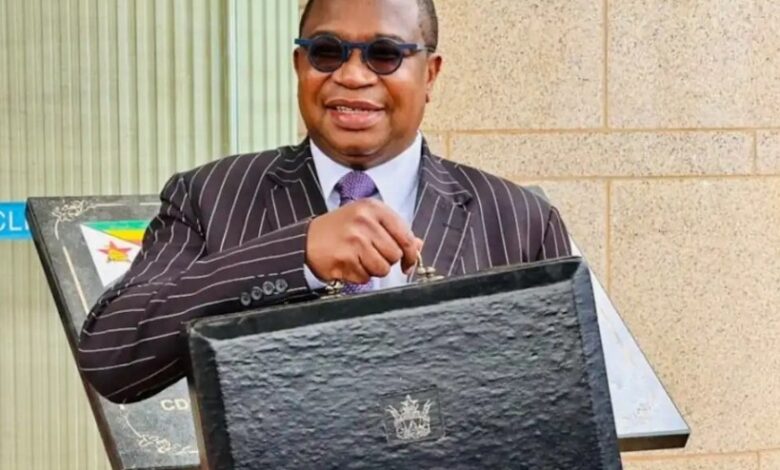
In a press statement released yesterday, Minister of Finance, Economic Development and Investment Promotion, Professor Mthuli Ncube said the milestone reflects the impact of coordinated fiscal and monetary policies following the introduction of the Zimbabwe Gold (ZiG) currency in April 2024.
“Zimbabwe has reached a milestone in price stability in domestic currency (ZiG), which is now in single-digit phase at 4.1 percent in January 2026,” Prof Ncube said.
He also reported that US dollar inflation declined to 1 percent over the same period, a development government says signals broader macroeconomic stability.
According to Prof Ncube, the stabilisation effort has been supported by the accumulation of foreign currency and gold reserves backing the ZiG. Government claims foreign asset reserves increased from about US$276 million in April 2024 to US$1.2 billion by the end of December 2025.
“The local currency (ZiG) is backed by gold and foreign currency reserves, with both reserve money and broad money fully covered,” Prof Ncube said.
The statement further indicates that prices of key consumer goods including bread, mealie meal, cooking oil and sugar have shown minimal movement over the past 12 months. Which authorities attribute to improved monetary discipline.
However, government has also placed responsibility on businesses and labour to sustain the stability. Prof Ncube urged companies to exercise restraint in price setting and called on workers to align wage adjustment demands with inflation trends.
“There is need for all stakeholders, particularly business and labour, to work closely with Government to entrench stability,” he said.
Zimbabwe’s inflation performance is now said to align with the Southern African Development Community (SADC) macroeconomic convergence target range of between 3 and 7 percent.
Government says maintaining price stability is critical to achieving Vision 2030, which aims to transform Zimbabwe into an upper-middle-income economy.