


Valencia Ndhlovu
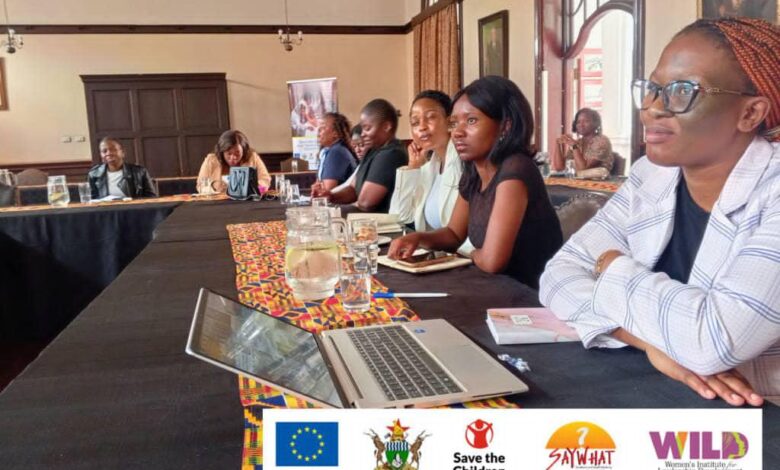
Youth organisations, civic society actors, and government representatives gathered at Bulawayo Sports Club on 25 February for a dialogue hosted by the Women’s Institute for Leadership Development (WILD).
The engagement focused on strengthening youth participation in Zimbabwe’s economic development under the National Development Strategy 2 (NDS2).
The platform allowed young people to engage directly with policymakers and development actors, with discussions centred on access to information, market linkages, and meaningful participation in decision-making.
WILD Programmes Officer Jacqueline Ndlovu highlighted the importance of these platforms in simplifying government processes and fostering collaboration.
“These platforms demystify the processes we need to navigate to access critical information. They build relationships and create space for networking,” Ndlovu said.
A Ministry of Youth representative noted that the National Youth Strategy, launched in Harare, is being implemented alongside the National Youth Empowerment Strategy (2026–2030). The strategy aims to position young people as active contributors to national development rather than passive beneficiaries, focusing on vocational training, entrepreneurship, and sector-specific skills development.
Current initiatives include agriculture training at the Jairos Jiri Association, clothing production in Sizinda, and youth skills programmes in Cowdray Park under Young Africa. Government is also collaborating with institutions such as the Zimbabwe Youth Council (ZYC) to strengthen youth representation and institutional support.
Despite these initiatives, participants identified communication gaps between government, civil society organisations, and youth.
“Youth opportunities exist but are not always reaching young people. We are asking for more transparency and for government to meet us where we are,” said Nonkanyiso Gumede of Green Hut Trust.
A Ministry of Women Affairs official added that limited market access and weak integration into local and regional value chains remain challenges for youth enterprises.
“Our objective is to connect youth businesses to markets, enhance their participation in value chains, and improve market intelligence so they can make informed decisions,” the official said. “Partnerships between government, communities, and development actors are critical to ensuring youth are socially and economically protected.”
Participants proposed concrete action points, including expanding engagement platforms, leveraging social media channels such as TikTok for information dissemination, providing structured mentorship, strengthening youth representation in Parliament, and supporting sustainable youth enterprises independent of donor funding.
In closing, Ndlovu encouraged youth to take ownership of national development.
“Youth organisations are already a sounding board through their registration under the Zimbabwe Youth Council. This conversation must continue. If young people are proactive, informed, and united, they can shape the opportunities meant for them,” she said.