

Providence Moyo
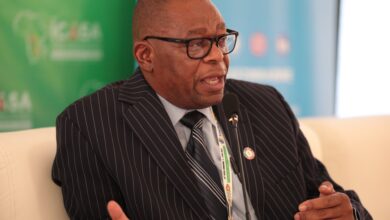
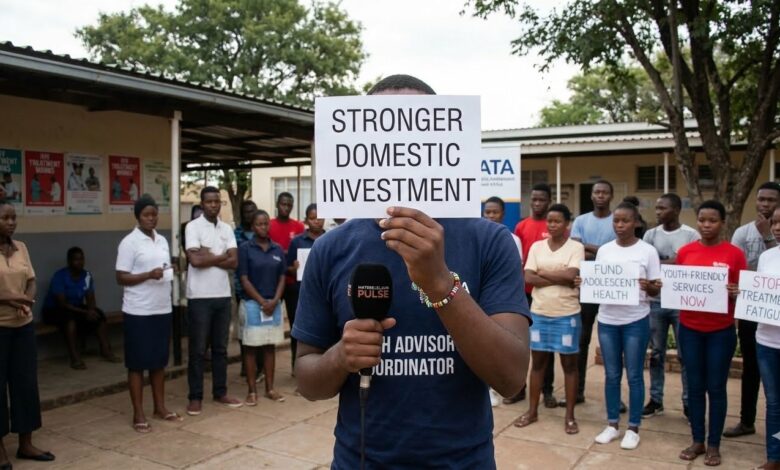
HIV activist and PATA Youth Advisory Coordinator Phakamani Moyo has called for stronger domestic investment in Zimbabwe’s healthcare system, particularly in programmes supporting adolescents and young people living with HIV.
Speaking to Matebeleland Pulse, Moyo highlighted the ongoing challenges faced by young people living with HIV, including stigma, difficulties around disclosure, mental health pressures and treatment fatigue.
Zimbabwe has an estimated 1.3 million people living with HIV, including a significant number of adolescents and young adults. According to Moyo, addressing their needs requires sustained national commitment and funding.
“We cannot treat prevention and youth services as optional,” Moyo said. “Zimbabwe must act decisively on domestic financing, accountability, and structural reform.”
Moyo urged the government to prioritise health financing and expand services designed specifically for young people. He said investments in adolescent health would also strengthen the country’s long-term social and economic development.
Among the priorities he highlighted were youth-friendly clinic environments, more flexible antiretroviral therapy (ART) refill models, and strengthened peer-support systems to help young people remain in care.
“When we fund health, we fund the future,” Moyo said. “The future of Zimbabwe is sitting in clinic waiting rooms today, holding appointment cards, holding hope, and waiting for us to prove that their lives are worth the investment.”
Moyo said strengthening domestic health funding would help ensure continuity of HIV prevention, treatment and support services for young people across the country.
His remarks come amid growing uncertainty over future external health support after Zimbabwe withdrew from negotiations on a proposed US$367 million health Memorandum of Understanding with the United States earlier this year. Citing concerns over sovereignty and what officials described as intrusive data sharing requirements. The U.S. government had indicated the agreement would support HIV prevention and treatment, tuberculosis and other public health programmes, and following the collapse of the talks, it signalled plans to begin winding down aspects of its health assistance in Zimbabwe, raising concerns about the sustainability of programmes that have long relied on international funding.