

Community Health Workers Anchor Zimbabwe’s Healthcare System, Emakhandeni–Luveve MP Bajila Calls for Support


Providence Moyo
Community healthcare workers are increasingly being recognised as a critical pillar of Zimbabwe’s health delivery system, with renewed attention on the need for sustained support following an outreach initiative by Emakhandeni–Luveve legislator Discent Bajila.
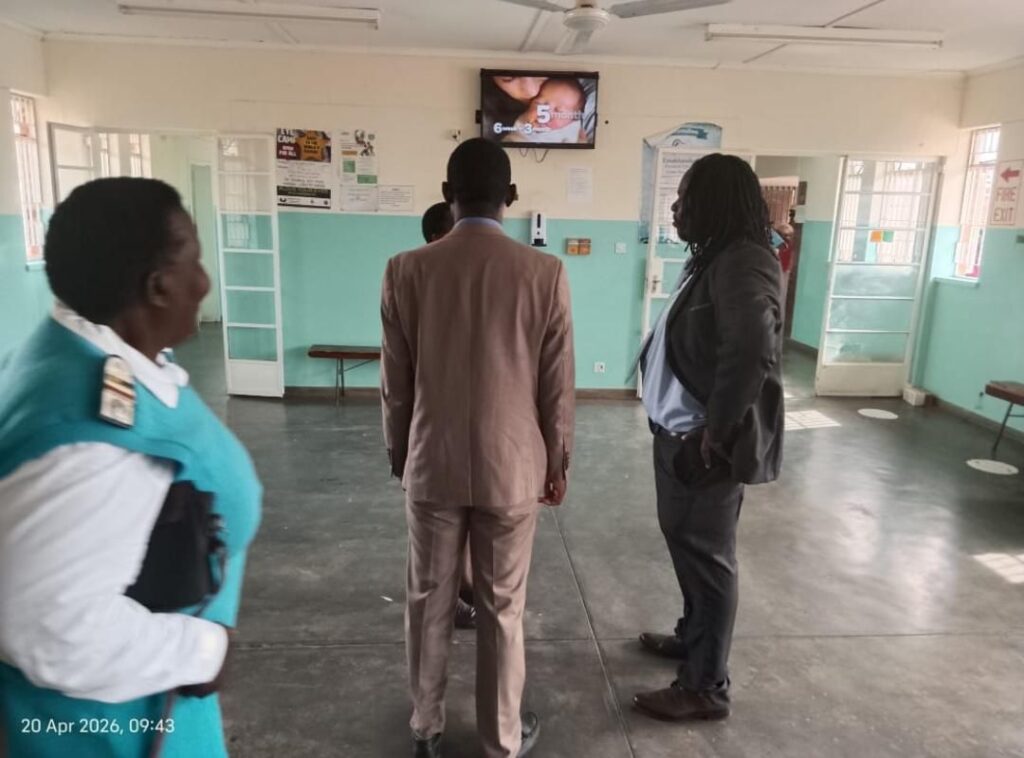
Bajila this week donated rice to community healthcare workers at clinics in Emakhandeni and Luveve, acknowledging their essential but often under-resourced role in delivering primary healthcare services.
“Recognising that community health workers do a lot of work without adequate support, we felt it was important to come through and assist in a small way,” Bajila said during the visit.
Across Zimbabwe, community healthcare workers serve as the first point of contact for many households, particularly in high-density suburbs and underserved communities. Their responsibilities include health education, HIV awareness, treatment adherence support, home-based care, and referrals to formal health institutions.
Despite their central role in preventative and community-level healthcare delivery, many operate with limited resources and minimal financial incentives.
HIV youth advocate Phakamani Moyo said community healthcare workers remain indispensable in sustaining grassroots health responses, particularly in HIV prevention and treatment adherence.
“Community healthcare workers are the bridge between the health system and the people. They are the ones ensuring that treatment adherence, prevention, and health education actually reach communities,” Moyo said.
“If we are serious about strengthening healthcare in Zimbabwe, we must invest in and support these frontline workers.”
Moyo added that youth-focused health interventions, including HIV prevention and mental health support, depend heavily on community-based structures, making investment in their welfare and training critical.
Health experts note that community healthcare workers play a key role in early detection, adherence counselling, and community-level monitoring of diseases such as HIV and AIDS.
Their role has become even more significant amid growing concerns over drug and substance abuse, mental health challenges, and gaps in access to youth-friendly health services.
While Bajila’s intervention is modest, it has been welcomed as a symbolic gesture recognising a workforce that often operates behind the scenes with limited visibility and support.
Health stakeholders argue that meaningful investment including training, incentives, and stronger policy frameworks could significantly strengthen Zimbabwe’s healthcare system, improve early intervention, and reduce pressure on hospitals.
As Zimbabwe continues to face complex health challenges, there is growing consensus that sustainable solutions will depend not only on national policy direction, but also on strengthening community healthcare workers who remain central to the country’s health system.