

Botswana Livestock Import Ban Delivers Crushing Blow to Matabeleland Farmers

Peter Moyo
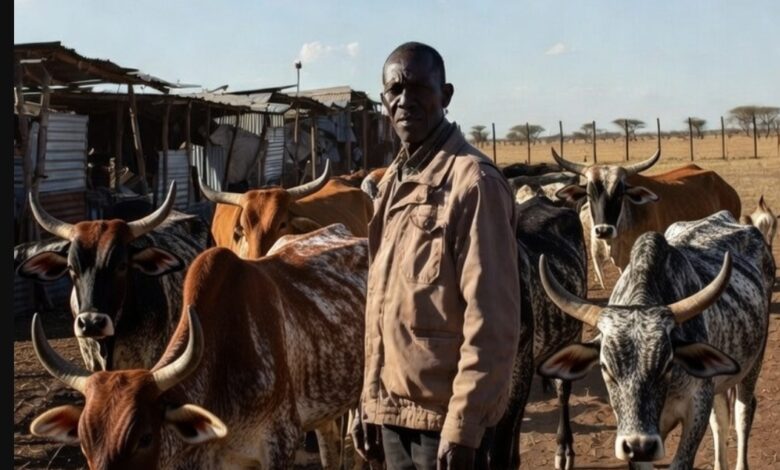
PLUMTREE – Botswana’s immediate ban on livestock imports from Zimbabwe following a foot-and-mouth disease outbreak in Mangwe district has left Matabeleland South farmers facing severe economic hardship and is threatening to reduce export-related earnings in affected areas where cattle sales provide a vital lifeline for rural households.
“I’ve spent years building up my herd the for market, but now they’re just standing in the kraal eating what little grazing is left, no buyers from Botswana means no money coming in,” said Thabo Ndlovu, a smallholder farmer from Mangwe. “This ban hits harder than drought, it cuts off our main cash source overnight.”
Announced on January 20, 2026, by Botswana’s Acting Director of Veterinary Services, Kobedi Segale, the suspension covers all cloven-hoofed animals—cattle, sheep, goats, and pigs, along with related products such as meat, milk, and hides. The measure responds directly to a confirmed foot-and-mouth disease outbreak in Zimbabwe’s Mangwe district, which shares a border with Botswana’s Tutume, North-East, and Bobirwa regions. Zimbabwe’s veterinary services have quarantined the affected zone, but the trade cutoff has already disrupted cross-border markets that many local producers depend on.
Livestock sales to Botswana have long provided a reliable outlet for smallholders and commercial farmers alike, especially through informal channels and border trade. Disruptions of this nature can reduce export-related earnings in affected districts, while lowering herd values, raising holding costs, and limiting cash flow for essentials like school fees, medical care, and farm inputs.
Border trader Lindiwe Sibanda echoed the frustration gripping communities across the region. “We move goats and sheep across for quick sales to cover family needs like school fees, food, medicine. Without that market, everything stalls. Months of work vanish, and we scramble to survive until things open again.”
The fallout spreads quickly beyond individual farmers to transporters, abattoirs, informal traders in places such as Plumtree and Brunapeg, and broader rural economies. Zimbabwe’s beef sector, which supports livelihoods across the region, faces added pressure from these recurring trade barriers, potentially leading to reduced employment in livestock-related activities and heightened vulnerability for families reliant on animal sales.
Mangwe communal farmer Sipho Moyo delivered a stark warning about the cascading effects. “Our cattle are our bank and when markets close like this, the whole household feels it. We can’t sell, prices drop locally if anyone buys at all, and debts pile up. It’s not just lost income, it’s lost hope for the season ahead.”
As the foot-and-mouth disease situation remains active, with veterinary teams focused on containment through quarantine and monitoring, calls are growing for accelerated bilateral dialogue between Zimbabwe and Botswana to control the disease and reopen trade channels.
For Matabeleland South’s farming communities, swift resolution is essential to avert a deeper economic downturn in an area where livestock remains a cornerstone of survival and prosperity.