
Lupane Residents Demand 25% Revenue Ringfence for Police Stations at Police Amendment Bill Hearing


Thembelihle Mhlanga
Residents of Lupane have called for a 25 percent ringfence fund from all collected revenue to be allocated directly to local police stations. This emerged prominently during a public hearing on the Police Amendment Bill held at Lupane Community Hall yesterday.
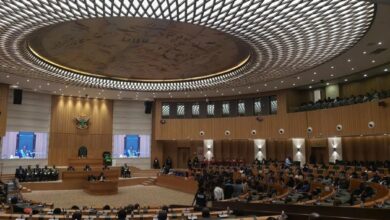
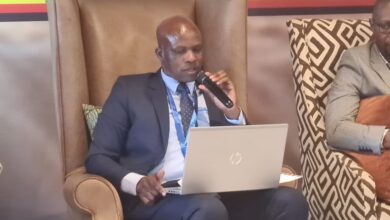
The meeting, chaired by Honourable Knowledge Kaitano, Chairman of the Portfolio Committee on Defence, Home Affairs, Security Services and War Veterans’ Affairs, drew a diverse crowd of community members, civic leaders, and local stakeholders. It provided a platform for citizens to voice concerns and suggestions on reforming Zimbabwe’s police framework amid ongoing debates about service delivery, accountability, and welfare.
Participants emphasized the need for financial autonomy at the station level to address chronic underfunding. “We are proposing that 25 percent of all revenue collected in our district be ringfenced specifically for local police stations,” one resident asserted. “This will ensure resources for vehicles, fuel, and equipment stay right here, instead of disappearing into central coffers where we never see them again.”
The call reflects broader frustrations in rural Matabeleland North, where Lupane’s policing challenges—exacerbated by vast distances, limited budgets, and rising crime—have strained community relations. Residents argued that such a fund would empower stations to tackle issues like stock theft, domestic violence, and human-wildlife conflicts more effectively, without relying on inconsistent national allocations.
Transparency in police leadership also dominated discussions. Attendees urged amendments to curb political interference in high-level appointments. “The appointment of the Commissioner General must be transparent to avoid officers who only please the appointing authority,” a contributor stressed. “We need leaders who serve the people, not politicians.”
Another participant echoed this, adding, “Appointees must desist from any form of political alignment. The police should remain neutral, protecting all citizens equally, regardless of party colors.” These sentiments align with national conversations on depoliticizing security forces, especially following recent elections and reports of partisanship in some districts.
Police welfare emerged as a key pillar, with residents advocating for explicit protections in the bill. They highlighted the hardships faced by officers relocated far from their families, often to remote postings without adequate support. “The bill should be specific on cushioning those officers transferred to stations away from their homes or families,” one speaker demanded. “Provide housing allowances, travel support, and family relocation aid—our police are human too, and low morale affects service delivery.”
Honourable Kaitano actively engaged with submissions, noting the committee’s commitment to incorporating public input. “These hearings are vital for a people-centered law,” he said, assuring attendees that proposals would be tabled for parliamentary debate. The session, part of nationwide consultations, underscores growing civil society involvement in legislative reforms.
Lupane’s input adds to a chorus of regional voices pushing for a modernized Police Amendment Bill. Similar hearings in Bulawayo and Victoria Falls have raised parallel issues, signalling potential for comprehensive changes. As Zimbabwe grapples with economic pressures and security needs, these demands could reshape policing from the ground up.