

Bulawayo’s water crisis: Will Glassblock Bopoma Dam be the savior or a costly error?

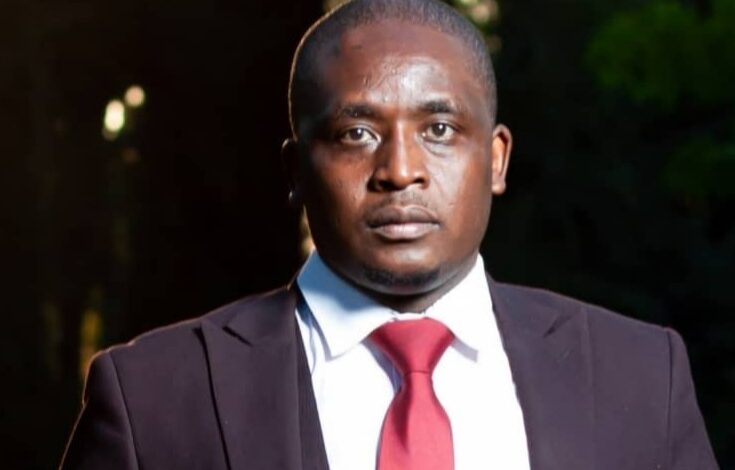
Rumbidzai Mhlanga
Bulawayo, once a thriving city, now faces a ticking water crisis clock as its dams hover at dangerously low levels. Despite ample rainfall, the city’s water reserves remain insufficient, raising the stakes for the proposed Glassblock Bopoma Dam. Will this be the city’s lifeline, or just another financial burden?
Since its inception in 1893, Bulawayo has grappled with water scarcity, a problem documented as early as 1895 when ‘The Matabele Times’ reported on a “protracted drought” affecting the town. Today, the situation remains dire. According to the latest figures from the Zimbabwe National Water Authority (ZINWA), key water sources like Mtshabezi (53.03% full), Insiza Mayfair (39.29%), Lower Ncema (14.90%), and Umzingwane (15.23%) are all well below capacity, threatening the city’s water security.
Water Rights Campaigner Khumbulani Maphosa, speaking at a Matebeleland Pulse discussion, highlighted the complexities of the crisis, “Even in 1895, The Matabele Times reported on how a ‘protracted drought’ was affecting the town.” He pointed out that the current low dam levels are not solely due to rainfall scarcity but exacerbated by systemic issues in water management.
“The city is losing 46% of its treated water before it reaches residents due to leakages, wastage, and theft,” Maphosa remarked. He also shed light on the financial strain, stating, “The Bulawayo City Council was owed US$50 million in unpaid water bills as of November 2023.”
The proposed Glassblock Bopoma Dam, under a Build, Own, Operate, and Transfer (BOOT) model, promises to deliver 68 million litres of water daily to Bulawayo. However, the pricing model—US$0.90 per 1,000 liters for the first decade, then reducing to US$0.70 for the next 15 years—has sparked debate over affordability.
“This means residents will see an increase of US$0.16 per 1,000 liters in their water bills,” Maphosa explained, questioning the project’s economic justification.
Critics like Maphosa argue for addressing the root causes rather than investing in new infrastructure. He suggests three critical steps for immediate impact:
- Reducing water loss which could boost supply without new dams.
- Rehabilitating damaged catchment areas affected by illegal mining.
- Empowering the Bulawayo City Council with full water management authority to foster local solutions.
Moreover, the project’s development process has been criticized for its lack of community involvement. “This is not a community-driven project; it’s a deal between ZINWA, the private sector, and political elites,” Maphosa stated, emphasizing the need for inclusive decision-making.
As Bulawayo stands at this crossroads, the debate rages on whether the Glassblock Bopoma Dam will truly quench the city’s thirst or if it’s just another expensive gamble.
“We must not sit and wait for Glassblock. We need to keep moving, fixing leaks, restoring catchment areas, and pushing for water governance reforms,” Maphosa concluded, urging for proactive measures alongside any new developments.
This story not only highlights Bulawayo’s ongoing battle with water but also serves as a cautionary tale about the importance of sustainable and community-oriented solutions in urban planning and resource management.