

Buhlebenkosi Nkomo
Health Minister Douglas Mombeshora has condemned maternal deaths linked to blood shortages as “very unacceptable,” warning that no woman should die because lifesaving blood is unavailable during childbirth emergencies.
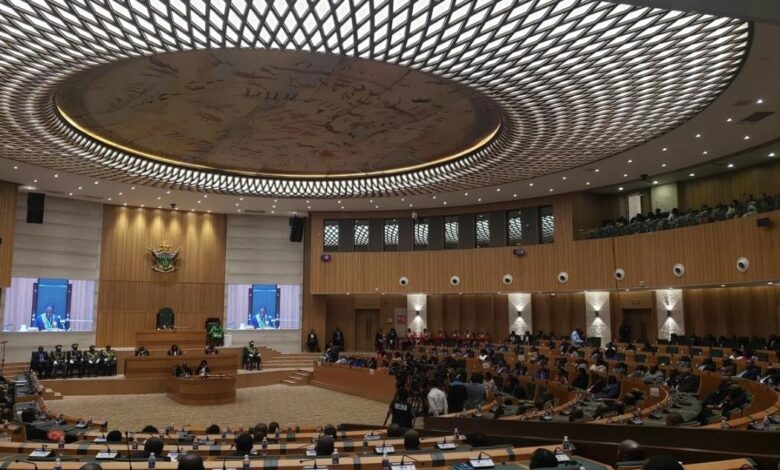
Speaking in the National Assembly, Mombeshora responded to lawmakers’ questions on the availability of blood and blood products in Zimbabwe’s public hospitals.
He said postpartum haemorrhage, excessive bleeding after childbirth remains one of the leading causes of maternal mortality in the country.
Zimbabwe continues to face a high maternal mortality burden.
According to the 2023–24 Zimbabwe Demographic and Health Survey (ZDHS), the national maternal mortality ratio is estimated at 212 deaths per 100,000 live births, reflecting progress over previous years but still above global averages.
The minister said the Ministry of Health and Child Care continues to receive reports of women dying after failing to access timely blood transfusions.
“At times, we are told that there was no blood to transfuse and the woman bled to death, which is very unacceptable,” he said.
Mombeshora confirmed that Government is reviewing the system for procuring and distributing blood to close supply gaps and ensure timely access for patients in critical condition.
“So, we are re‑looking at the system to ensure everyone gets blood,” he said.
He also addressed concerns that some public health facilities may be demanding payment before emergency care, stressing that this contravenes Government policy.
“We have a policy stating that anyone who comes to our public health institutions seeking emergency treatment should not be charged first. The bill will be raised after treatment,” he said.
Mombeshora acknowledged reports that some facilities are forcing upfront payment for services.
He urged members of the public to report such cases directly to the Ministry.
Maternal mortality remains a critical public health concern in Zimbabwe. While national figures show progress, rates are still higher than global targets, particularly for deaths from preventable causes such as postpartum haemorrhage. The minister’s remarks signal renewed efforts to strengthen blood supply systems and emergency obstetric care in public hospitals.