TIZ Calls for Confidential Reporting Desks in Health Facilities Amid Corruption Concerns

Michelle Moyo
Transparency International Zimbabwe (TIZ) has called for confidential, survivor-centred reporting desks in health facilities, citing concerns over informal payments, verbal abuse during labour and alleged corruption in maternity and reproductive healthcare services.
The organisation wants community-led reporting initiatives to be replaced by a permanent, government-owned system that protects complainants from retaliation, ensures confidentiality, and guarantees follow-up on complaints.
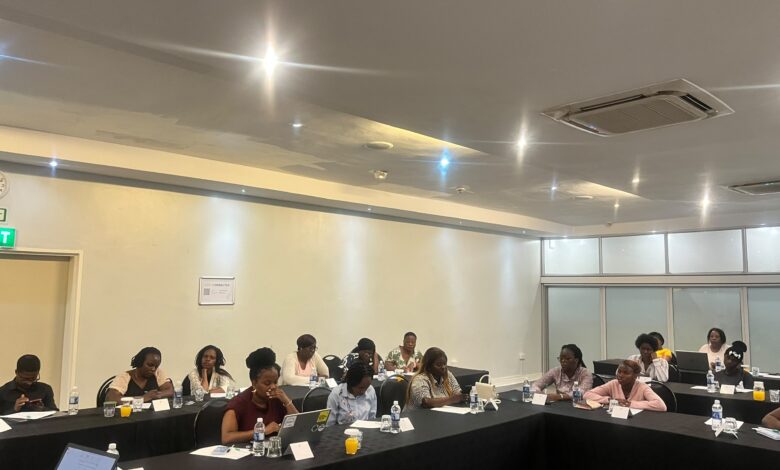
TIZ made the call during a dialogue on integrity in healthcare held in Bulawayo on Friday, where participants urged authorities to establish safe reporting channels in every health facility to improve accountability and protect women’s access to healthcare.
TIZ, the Zimbabwean chapter of the global anti-corruption movement, operates the Advocacy and Legal Advice Centre (ALAC), which provides free legal support to victims and witnesses of corruption.
For many women, seeking healthcare can come with fears of being asked for unofficial payments, verbally mistreated, or denied assistance when they cannot pay. Some women have also reported being referred to private pharmacies under circumstances that raise concerns about possible financial benefits for health workers.
Earlier this year, TIZ convened its first dialogue on integrity in healthcare, where women highlighted the lack of safe channels for reporting alleged abuse and corruption.
“We feared retaliation. We feared stigma. We feared being denied care next time we came pregnant and in pain,” one participant said.
In response, TIZ established Women Empowerment Circles in Bulawayo and Harare, bringing together 106 women and girls. The circles provided spaces for participants to share experiences and access legal assistance through ALAC.
In Mutare and Bulawayo, TIZ also facilitated meetings between communities, the Zimbabwe Anti-Corruption Commission (ZACC) and the Zimbabwe Republic Police (ZRP). Both institutions reportedly pledged to make their reporting channels more confidential.
However, participants said these initiatives remain fragmented and are not embedded in the public health system, raising concerns about their long-term sustainability.
Section 76 of the Constitution of Zimbabwe guarantees the right to healthcare, including reproductive healthcare, and provides that no person may be refused emergency medical treatment. The Public Health Act also provides a legislative framework for public health and accountability.
Participants argued that these protections need to be matched by accessible and trusted complaint-handling systems in health facilities.
Speaking at the Bulawayo dialogue on Friday, Zimbabwe Gender Commission (ZGC) Matabeleland Regional Coordinator Dalubuhle Sibanda said the Commission had received cases relating to gender and health.
“We have been receiving cases related to gender and health, which is one of our core mandates,” he said.
Sibanda said the Commission had also conducted research on the disbursement of devolution funds allocated to health and sexual and reproductive health services. He added that its Thematic Working Group on Gender and Health had information consistent with issues presented in a documentary shown at the dialogue.
ZACC researcher Mthabisi Moyo said effective reporting mechanisms must offer more than a physical space or suggestion box.
“It is about a woman being able to seek help, raise a concern, and report corruption without fear that tomorrow, when she returns in pain or pregnant, she will be punished for speaking,” he said.
Moyo said reporting systems should guarantee confidentiality, anonymity, protection from retaliation, and survivor-centred support. He added that they should provide feedback to complainants, employ knowledgeable staff, and establish clear referral pathways to ZACC, ZGC, and relevant support services.
He said the systems should also be inclusive and accessible to adolescent girls, women with disabilities and women in rural communities, including through information in local languages.
Participants agreed that reporting mechanisms should operate independently of the health workers facing complaints while maintaining links with the Ministry of Health and Child Care’s integrity committees.
They also called on the ZGC to move beyond handling individual complaints towards monitoring systemic problems in healthcare.
Their recommendations included establishing confidential reporting desks in every health facility, conducting a focused audit of maternal healthcare and the use of devolution funds, and formalising the Gender and Health Thematic Working Group as a referral platform connecting the ZGC, Zimbabwe Human Rights Commission (ZHRC), ZACC, the Ministry of Health and Child Care, and civil society organisations.
Participants further called for complaint procedures to be displayed prominently in clinics and for a protection protocol prohibiting retaliatory denial of care.
Other proposals included expanding toll-free and WhatsApp reporting channels, building on ZACC’s existing mechanisms, and taking action against health workers found to have victimised complainants.
Bulawayo City Council official Thandeka Ndlovu said women’s participation in decision-making was essential to improving healthcare services.
“Women must attend meetings on anything that concerns women’s health so that we are not mistreated in health services,” she said.
“If we are absent where decisions are made, we will continue to be abused in clinics and hospitals. Our presence is our protection.”
Participants also called for the ZGC’s Annual State of Gender Report to Parliament to include a dedicated chapter on gender discrimination in healthcare, supported by disaggregated data on complaints received, investigated, and resolved.
They said this would help make safe, confidential, and retaliation-free healthcare a measurable standard for gender equality in Zimbabwe.