Friendship benches and 24-hour helpline proposed to address youth mental health

Peter Moyo
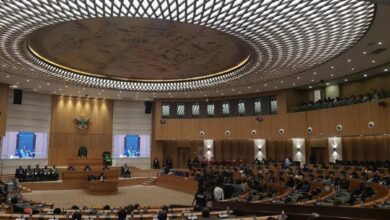
A proposal to introduce friendship benches in every secondary school, college and university, alongside a free 24-hour youth helpline, has been put forward in the National Assembly as part of calls for stronger mental health support for young people.
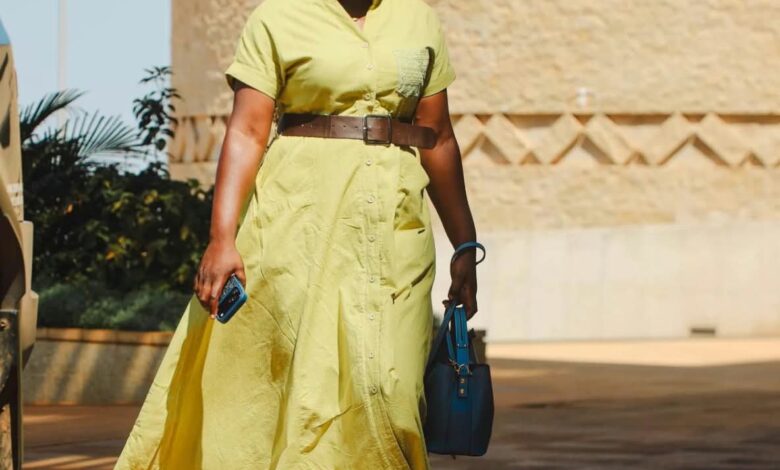
Contributing to debate on the State of the Nation Address, Hon. Lusyomo Nyelele warned that many young Zimbabweans were struggling with unemployment, family pressures and substance abuse, despite often concealing their difficulties.
“Indeed, our young people are not lazy but tired and many are silently drowning,” Nyelele told the House.
The legislator described graduates who had submitted hundreds of job applications without receiving responses, young mothers raising newborn babies without support from the fathers, and young men turning to substances to escape emotional distress.
Nyelele also challenged cultural attitudes that discourage young people from expressing emotional difficulties.
“In our culture, a young man who cries is told to be strong and a young woman is told to pray harder,” the legislator said.
Drawing attention to Zimbabwe’s Friendship Bench model, Nyelele argued that the initiative should be extended to educational institutions to give young people access to supportive listening and counselling.
“It is time we bring it back home to our children,” Nyelele said, referring to the Friendship Bench initiative.
The legislator summarised the proposals as “a bench, a voice and a law”.
The proposed measures include establishing a friendship bench in every secondary school, college and university, as well as a free 24-hour youth helpline staffed by trained young counsellors who speak local languages.
Nyelele also called for the Mental Health Bill, announced in the State of the Nation Address, to be brought before Parliament without delay and to include a dedicated chapter on young people.
The legislator concluded with an appeal for people to listen more carefully when young people speak about how they are feeling.
“Tomorrow morning, when we ask how you are, let us stop and listen to the answer because for some young Zimbabweans, our listening may be the difference between despair and hope,” Nyelele said.
The proposals place emphasis on early support, accessible counselling and recognising the mental health needs of young people. They were presented as recommendations during parliamentary debate and have not, by themselves, become government policy.