

Survivor Nyasulu
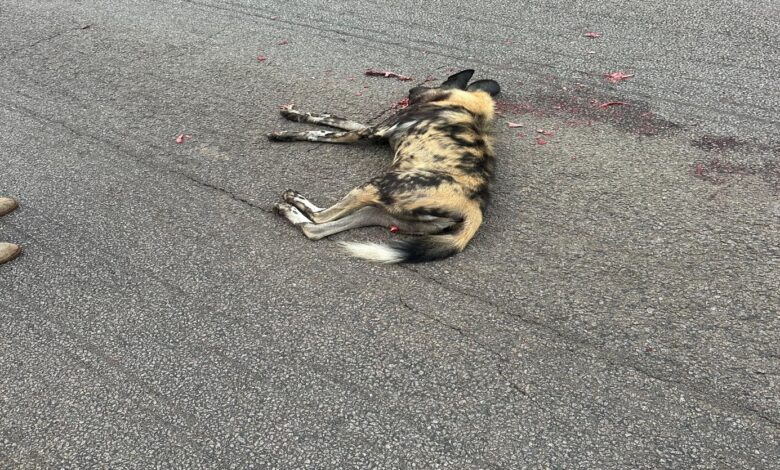
Two painted dog pups from the Umkhonto pack were killed in a road accident along the Bulawayo–Victoria Falls highway within the Hwange landscape.
The incident occurred overnight, but their deaths were not immediately reported to the Painted Dog Conservation or other local stakeholders. The delay in reporting has raised concerns about monitoring and response systems along the busy highway.
Painted Dog Conservation has remained committed to protecting the Umkhonto pack, combining the work of its research team and anti-poaching unit. Despite ongoing conservation efforts, this incident highlights the persistent threats faced by painted dogs in the wild.
The loss of any pack member weakens the group as a whole, reducing both survival prospects and reproductive potential. Painted dogs are among Africa’s most endangered carnivores, with fewer than 7,000 remaining in the wild. Road accidents continue to be one of the contributing factors to their decline.
The Umkhonto pack is one of the most prominent in the Hwange landscape, closely monitored by conservationists and widely recognised within the safari industry. Its significance makes this loss particularly concerning for both conservation and tourism.
Painted dogs play a critical role in maintaining ecological balance. By preying on species such as impala, they help regulate herbivore populations and prevent overgrazing. They also contribute to disease control by targeting weak and injured animals, supporting the overall health of wildlife populations. Their presence is widely regarded as an indicator of a functioning and balanced ecosystem.
The incident raises important questions about the effectiveness of existing measures to protect wildlife along busy highways. While traffic signs are in place in some areas, incidents such as this suggest that additional interventions may be necessary to safeguard endangered species.
Despite the setback, Painted Dog Conservation remains committed to its work, continuing efforts to protect the Umkhonto pack and other wildlife in the region.
At the same time, this serves as a reminder to all motorists travelling through wildlife areas to exercise caution and adhere to road safety guidelines. Responsible driving remains a key factor in reducing wildlife-vehicle collisions and protecting endangered species.