

Bulawayo-Victoria Falls road upgrade set to transform Zimbabwe ‘s tourism gateway

Valencia Ndhlovu
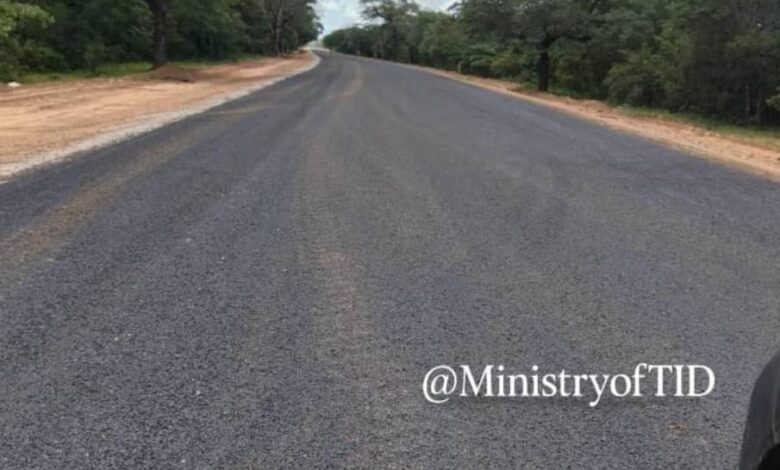
The rehabilitation of Zimbabwe’s 440-kilometer Bulawayo-Victoria Falls highway is making steady headway, with approximately 37.5 to 45 kilometers of upgraded road sections now open to traffic in early 2026.
“Seamless connectivity will position Vic Falls as a world-class hub,” said Sarah Ndlovu, a hotel worker in the tourism town, capturing the optimism surrounding a project that local stakeholders are hailing as transformative for the region.
The ambitious undertaking, launched in August 2024, brings together multiple contractors including Fossil Engineering, Linash Construction, and Asphalt Products, all working toward a December 2026 completion deadline despite setbacks from heavy rains and funding delays.
This critical artery connects Bulawayo to Victoria Falls, Zimbabwe’s premier tourist destination and a vital gateway to neighbouring Zambia and Botswana. For years, the route has been notorious for deep potholes and rapid deterioration, battered by heavy coal trucks from Hwange and inadequate maintenance since its last major upgrade.
“A smoother highway means more families can visit without dreading the drive, directly lifting hotel bookings and safari tours,” said Tendai Moyo, a tour operator.
The observation reflects a widely recognized reality, poor road conditions have historically deterred visitors, particularly families and international tourists wary of lengthy, uncomfortable journeys punctuated by vehicle breakdowns and delays.
The rehabilitation goes beyond simple resurfacing. Contractors are widening sections from seven to nine meters, installing weighbridges to control vehicle loads, and establishing maintenance camps along the route.
Companies like Bitumen World and Syvern Pvt Ltd have already completed shorter segments, including a 5.4-kilometer stretch at Cross Jotsholo, while simultaneously drilling boreholes and supporting local schools as part of their community development commitments.
The timing couldn’t be more crucial for Victoria Falls, which is experiencing a remarkable tourism renaissance. The iconic destination welcomed 61,139 visitors in the first quarter of 2025 alone, with international arrivals climbing to 47,633 from 44,110 the previous year. South Africans and Botswana lead the surge, many taking advantage of the KAZA UniVisa that facilitates regional travel.
Nationally, Zimbabwe recorded 1.6 million international tourists in 2024, generating $1.1 billion in revenue—a 22 percent increase with projections reaching 1.87 million visitors by 2026 as marketing campaigns gain traction.
As one of the world’s natural wonders, Victoria Falls has long been a foreign currency earner for Zimbabwe, but its full potential has been constrained by infrastructure challenges. The highway upgrade promises to change that equation dramatically through shorter, safer travel times that will reduce vehicle wear and tear while making the destination more accessible to a broader range of visitors.
Beyond tourism, improved freight access will bolster Hwange’s mining and power sectors, indirectly channeling resources into tourism infrastructure development.
Government officials maintain that momentum is building toward completion of key stretches by mid-2026, setting the stage for Victoria Falls to fully capitalize on its status as southern Africa’s crown jewel attraction.