
“Sunscreen Is $20 a Bottle and I Need It to Survive” — The Cost of Living With Albinism in Zimbabwe


Chimwemwe Phiri
For Tanaka Keith Mahaso, every morning begins with a calculation most Zimbabweans never have to make. Where is the sun. What is the route. Is there enough sunscreen left.
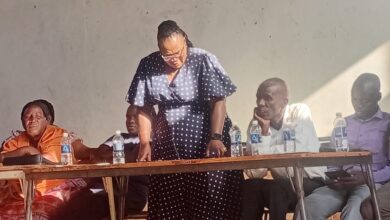
Mahaso, a disability rights advocate living with albinism, shared his daily realities during the Matebeleland Pulse Weekly Pulse discussion with Valencia Ndhlovu, on living with albinism in Zimbabwe — a conversation that laid bare the physical, economic and social pressures facing a community that remains widely misunderstood.
“Living with albinism in Zimbabwe has been a journey of resilience. It has been very hard,” he said. “From a young age, I realised I was different not just in appearance, but in how people treated me.”
Albinism is a genetic condition affecting melanin production, leaving individuals with little or no pigment in their skin, hair and eyes. In Zimbabwe’s climate, the absence of melanin significantly increases vulnerability to sun damage and skin cancer, making sun protection not a luxury but a medical necessity.
“A normal day involves planning around the sun — protective clothing, hats, and whether I have sunscreen,” Mahaso said. “Simple things like walking to school or town can be risky without protection.”
The financial burden is immediate and recurring. Mahaso said he spends approximately $20 per month on sunscreen — a figure that places basic protection out of reach for many people with albinism in a country where unemployment remains high and incomes are unpredictable. “Sunscreen is $20 per bottle. I last one month with it,” he said. “Complications can lead to cancer. And it is so easy for us to die if cancer is not treated early.”
Health advocates across southern Africa have long raised concerns about the affordability and availability of sun protection for people with albinism, noting that the gap between what is needed and what is accessible remains wide.
The challenges Mahaso described extend well beyond the visible. He spoke of eye strain, persistent headaches and the emotional weight of constant public scrutiny — experiences that rarely register in public conversations about albinism.
“What people do not see are the constant eye strain and the emotional stress of being stared at or judged. Even reading from a board or screen can be a daily struggle,” he said.
The discussion also drew attention to stigma in schools, workplaces and communities. Mahaso said discrimination has driven some individuals with albinism out of education entirely.
“Some of the most painful experiences come from being called names or treated like I do not belong,” he said. “People sometimes assume I am cursed or less capable.”
He also addressed dangerous myths that continue to circulate in parts of Africa, including beliefs that body parts of people with albinism carry supernatural properties. Mahaso said Zimbabwe is relatively safer compared to some countries in the region but said concerns about security have not disappeared.
“We are a bit better locally, but there are a few scary cases,” he said.
On institutional support, Mahaso acknowledged that schools, healthcare systems and government structures have made some efforts but said the response remains inadequate relative to the scale of need.
“There is support, but it is not enough. We require more,” he said.
Audience members participating in the Weekly Pulse session added their voices to the discussion. Nodumo Ndlovu said meaningful change requires education that begins in homes and classrooms before misconceptions take root.
“It is important we get education on this matter with parents at home and at schools, so it helps children know how to accept people with albinism and that it does not make anyone less human,” she said.
Mahaso closed the session with a direct appeal to Zimbabweans.
“Be there and try to understand us and the stigma we face from society,” he said. “People need to step up and lend a helping hand, especially in education, safety, and access to sunscreen and protective wear.”
Matebeleland Pulse’s Weekly Pulse runs every week — a live WhatsApp community discussion connecting readers with voices shaping life in Matebeleland. To join, Follow this link to join my WhatsApp group: https://chat.whatsapp.com/Lg6DdjSPCmd0wurhZfGRAf?mode=gi_t