

Govt Pushes Inclusive Procurement Reforms for MSMEs, Women, Youth

Jonathan Sibanda
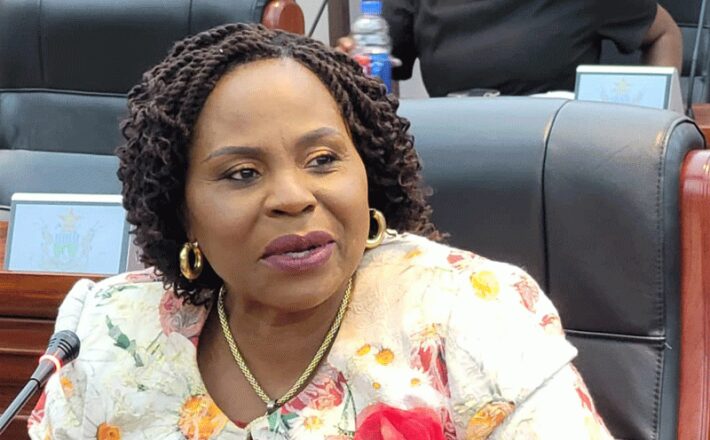
VICTORIA FALLS — Public procurement must create meaningful opportunities for small businesses, women, youth and cooperatives, rather than simply announcing tenders, Women Affairs, Community, Small and Medium Enterprises Development Minister Monica Mutsvangwa has said.
Speaking at the 5th Annual Public Procurement Conference at Elephant Hills Resort in Victoria Falls on Thursday, Mutsvangwa said many Micro, Small and Medium Enterprises (MSMEs) were ready to supply government but continued to face barriers to participating in public procurement.
“MSMEs and cooperatives want fair access to public procurement opportunities, not just awareness of tender announcements,” she said.
She identified compliance requirements, documentation, pricing, quality assurance and contract management as some of the challenges preventing enterprises from participating sustainably in government procurement.
“Many enterprises are ready to supply, but require structured supplier development, mentorship and predictable engagement,” Mutsvangwa said.
The conference is being held under the theme, “Public Procurement for National Development: Leveraging Digital Innovation, Artificial Intelligence and Strategic Partnerships for Inclusive and Sustainable Economic Growth.”
Mutsvangwa said public procurement should be treated as a strategic economic development tool that can create jobs, expand local production, strengthen value chains and support innovation.
She said this was particularly important because of the contribution of MSMEs to Zimbabwe’s economy.
According to figures cited by Mutsvangwa, MSMEs contribute around 60 percent of Zimbabwe’s Gross Domestic Product and provide employment to more than 75 percent of the country’s workforce.
She added that more than 56 percent of MSMEs were women-owned, making inclusive procurement important to ensuring women benefit from public expenditure.
“Procurement must therefore consider inclusion as a design principle, rather than an afterthought,” she said.
Mutsvangwa also highlighted the role of cooperatives, saying Zimbabwe has about 11,000 registered cooperative societies with an estimated three million members.
She said the figures demonstrated the importance of MSMEs and cooperatives to Zimbabwe’s economic transformation agenda.
Mutsvangwa said her ministry would continue working with the Procurement Regulatory Authority of Zimbabwe (PRAZ) to create an environment in which MSMEs and cooperatives can formalise, grow, improve productivity and gain access to markets.
She said engagements at the recently held MSMEs and Cooperatives Indaba had highlighted practical difficulties businesses face when seeking to participate in public procurement.
Women-led enterprises and cooperatives, she added, often face additional constraints involving finance, logistics, market linkages and risk.
Mutsvangwa called for stronger collaboration between government, procurement authorities and the private sector to address these gaps.
“This is the bridge we must cross today—from policy dialogue to procurement systems that deliberately create opportunities for MSMEs and cooperatives, particularly women and youth, to participate meaningfully in the economy,” she said.
The conference is also focusing on digital transformation, artificial intelligence, electronic government procurement systems, procurement integrity, ethics and anti-corruption.
Mutsvangwa said the shift towards digital procurement should be guided by inclusivity, transparency and accountability.
She urged delegates to develop practical policy recommendations that support the implementation of the country’s National Development Strategy 2 (NDS2), while promoting value for money, local content, job creation and enterprise development.
She said public procurement should ultimately contribute to building a productive, inclusive and resilient economy.
Mutsvangwa also commended procurement management units and institutional procurement structures for their role in ensuring procurement systems become enablers rather than barriers to participation by SMEs and cooperatives.