
SADC Anti-Corruption Officials Warn Of Immigration Corruption And Cross-Border Security Risks


Thembelihle Mhlanga
VICTORIA FALLS — Anti-corruption officials in the Southern African Development Community (SADC) have raised concerns over immigration corruption, warning that fraudulent documentation and illegal entry and residency can undermine border-control systems and create security risks across the region.
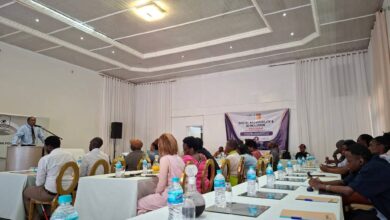
Speaking to Matabeleland Pulse on the sidelines of the ongoing SADC Anti-Corruption Expo and Games in Victoria Falls, Director-General of Namibia’s Anti-Corruption Commission (ACC), Dr Bryan Eiseb, said corruption within immigration and civil documentation systems remained a concern.
“The issues are mainly inclusive of illegal stay in another SADC member state without proper or no documentation, false documents, and the illegal issuance of civil documents without following the right procedures,” Eiseb said.
He said weaknesses at ports of entry could make it easier for individuals to bypass established immigration procedures, raising concerns for regional border management.
Eiseb’s comments highlight the cross-border nature of immigration-related corruption, where fraudulent documents or improperly issued civil records in one country can have implications for immigration and identity verification in another.
A senior official from Zambia’s Anti-Corruption Commission, who spoke on condition of anonymity, also described immigration corruption as a regional concern and said syndicates could involve officials and intermediaries operating across different parts of the system.
“SADC is faced with severe immigration corruption. The syndicate networks are deep-rooted, involving officials who facilitate forged permits, unverified residency, and illicit entries in exchange for financial kickbacks,” the official said.
“This compromised environment severely hampers cross-border security operations, allowing criminals to exploit systemic gaps across neighboring states.”
The official said stronger cooperation between law-enforcement agencies was needed to address networks operating across national borders.
The concerns raised in Victoria Falls place immigration corruption within the broader challenge of managing movement and documentation across SADC member states.
For Zimbabwe, the issue is particularly relevant given the country’s major land-border crossings, including Beitbridge and Plumtree, which connect the country to neighbouring states.
However, claims about specific immigration syndicates, border operations, or corruption cases require verification from the relevant authorities before being presented as established facts.
The discussions at the Victoria Falls gathering are also focusing attention on the need for stronger systems to detect fraudulent documentation and improve cooperation between institutions responsible for immigration, civil registration, and law enforcement.
For SADC countries, closer cooperation could help authorities identify gaps that criminals may exploit across borders while maintaining lawful movement and access to legitimate identity and travel documentation.