Zimbabwean Mothers And Children Held For Months Before Deportation From South Africa

Matebeleland Pulse Reporter
Zimbabwe’s Government says it is strengthening consular support for citizens living in South Africa amid concerns that undocumented migrants, including women with children, are spending months in detention before deportation.
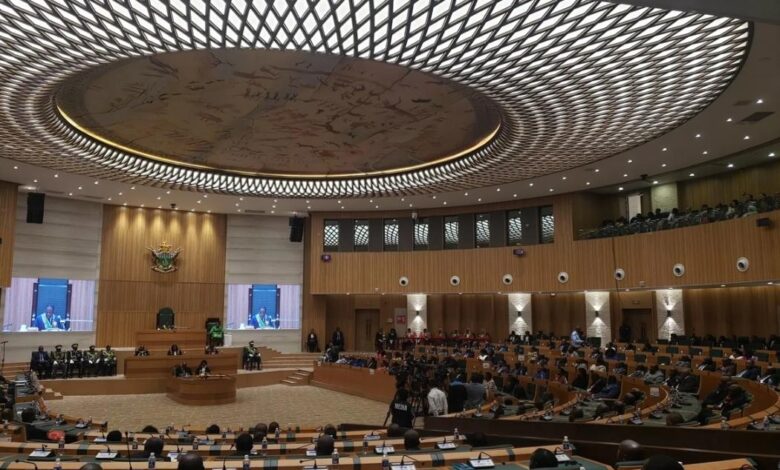
The issue was raised in the Senate on Thursday, 5 November 2026, when Senator S. Moyo appealed to the Government to engage South African authorities over the treatment of Zimbabweans arrested for immigration-related offences.
The senator said some Zimbabweans were being detained for as long as six months, including mothers accompanied by their children, before being deported.
“Some of them are imprisoned and others have children. They stay in prison for even six months with their kids and deported after that,” the senator told the Senate.
Responding, Foreign Affairs and International Trade Minister Professor Amon Murwira said Zimbabwe had a constitutional obligation to protect its citizens living outside the country.
He told the Senate that approximately 32 Zimbabwean consular officers were operating in South Africa to assist citizens facing difficulties.
The Minister also said Zimbabwe had established consular services in different parts of South Africa, including Gauteng and the Cape provinces, where citizens could seek assistance with travel and immigration documentation.
He urged Zimbabweans whose passports or visas had expired to approach Zimbabwean embassies and consulates for assistance, explaining that they did not necessarily have to return home to obtain replacement documents.
Murwira also told the Senate that more than 200,000 people had returned home through assistance processes, although he did not provide a detailed breakdown of the figure or the period covered.
The discussion highlights the challenges confronting Zimbabweans living in South Africa, particularly those whose immigration documentation has expired.
The Government’s ability to provide timely consular assistance, protect vulnerable detainees and facilitate access to legal documentation remains an important issue for thousands of Zimbabwean families with relatives across the border.