
Tale of Two Districts: Water, Sanitation and Infrastructure Challenges in Matabeleland North


Thembelihle Mhlanga
Residents of Hwange and Lupane districts in Matabeleland North have raised concerns over water access, aging sanitation infrastructure and delays in the development of health facilities.
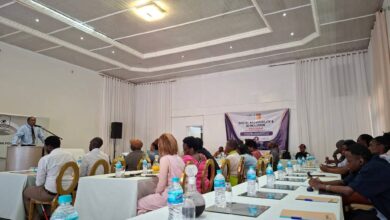
The concerns were raised during a Community Engagement Indaba held at St. Ignatius in Hwange and organised by the Zimbabwe Human Rights Association (ZimRights).
The dialogue brought together residents, civic advocates, local authorities and government agencies to discuss service delivery and infrastructure challenges affecting communities in the two districts.
At the St. Ignatius gathering, Hwange residents outlined ongoing concerns over sanitation and water infrastructure in their communities.
Residents under the jurisdiction of the Hwange Local Board (HLB) reported that families continue to rely on communal toilets and shared bathroom blocks constructed decades ago.
Community members said the aging, shared facilities raise concerns over hygiene and privacy. Residents also reported persistent shortages of tap water, with some households travelling considerable distances to access alternative water sources.
The forum also addressed infrastructure accessibility for people living with disabilities. Presenting on behalf of Persons with Disabilities (PWDs), Rosemary Maketo highlighted physical and administrative barriers in the district.
“There are virtually no physical structures catered for people living with disabilities in public places, and to make matters worse, local councils have no housing or commercial land quota allocated specifically for PWDs,” Maketo said. “We are left completely invisible in municipal planning and service distribution.
In neighbouring Lupane District, administered by the Kusile Rural District Council (KRDC) and the Lupane Local Board (LLB), residents raised concerns over access to water and healthcare services.
Delegates from Mpofu Village attending the Hwange indaba said their community lacks a piped water reticulation system despite its proximity to the Bubi-Lupane Dam.
Residents said local boreholes were submerged during construction of the reservoir. Without a connected reticulation network, villagers reported fetching untreated water directly from the dam for domestic use.
Residents also raised concerns over healthcare delivery in the district, citing delays in the construction of Lupane Provincial Hospital and pressure on existing local clinics, which they described as under-equipped.
Community members also questioned the location of the Opportunistic Infections (OI) Department at Lupane Clinic. Residents said the department’s location near the main entrance could compromise patient privacy and may discourage some people from seeking HIV testing and antiretroviral treatment because of social stigma.
Representatives and officials present at the St. Ignatius indaba responded to concerns raised by residents, including through proposed mitigation measures and calls for direct engagement.
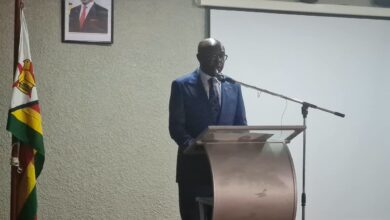
Hwange Member of Parliament Thulani Moyo said his office had allocated Constituency Development Funds (CDF) towards the drilling of boreholes to address water shortages in affected areas.
Moyo noted the intervention is intended to supplement an unreliable municipal supply and provide residents with additional sources of water.
But residents questioned whether boreholes and hand pumps could provide a lasting solution to a problem they regard as structural.
Representing the Zimbabwe National Water Authority (ZINWA), Jeson Masimba acknowledged technical challenges affecting regional water supply and invited community representatives to engage directly with the authority on reticulation challenges affecting areas such as Mpofu Village.
ZimRights facilitated the indaba as a platform for residents to engage directly with public authorities over service delivery concerns.
Speaking at the event, ZimRights Community Engagement Officer Payton Sibanda underscored the importance of structured engagement between communities and local authorities.
“We are assisting residents so that they can clearly articulate these challenges to the relevant authorities with an unmistakable call to action,” Sibanda said. “Access to clean water, decent sanitation, inclusive infrastructure, and proper health facilities are not privileges—they are fundamental rights guaranteed by the Constitution.”
The meeting provided residents and community representatives with an opportunity to raise concerns directly with local authorities and government agencies, with further engagement expected on the issues raised.