

Matabeleland North MP Elizabeth Masuku Backs Constitutional Amendment Extending Zimbabwe’s Electoral Term

Matebeleland Pulse Reporter
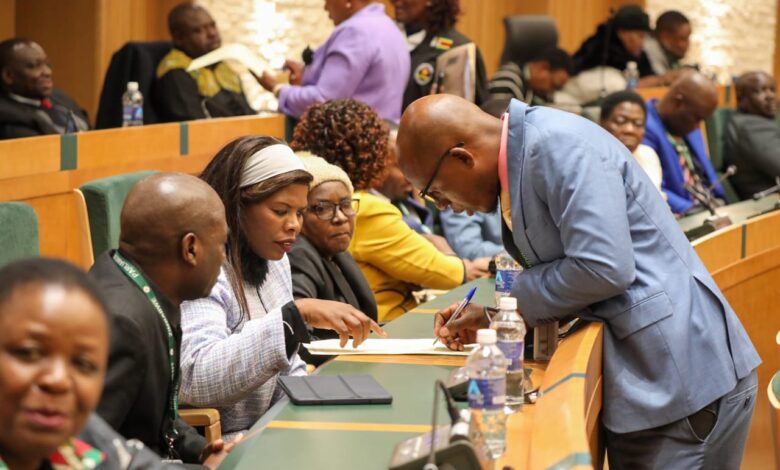
Matabeleland North Women’s Quota MP Elizabeth Masuku voted in favour of the Constitutional Amendment Bill seeking to extend Zimbabwe’s electoral cycle from five to seven years after Parliament approved the measure following a lengthy debate on Wednesday.
The bill, which was gazetted on 16 February 2026, passed its Second Reading and Committee Stage.
Parliamentary proceedings saw 182 legislators contribute to the debate before the vote was taken.
Speaking after the vote, Masuku said she supported the proposed amendment because she believes longer electoral terms would reduce political tensions and allow government to focus on implementing development programmes.
“We must reduce election-related toxicity and allow government to focus on long-term projects without constant electoral disruption,” she said.
Masuku argued that the current five-year electoral cycle places the country in what she described as a “perpetual campaign mode,” which she said affects long-term planning and increases the cost of holding elections.
“A seven-year cycle gives time to stabilise, implement and consolidate infrastructure, mining and agriculture programmes,” she said.
She also supported provisions proposing that Parliament elect the President, saying she believes the arrangement would strengthen accountability between the Executive and Legislature.
“Parliament electing the President strengthens accountability and harmony between the Executive and Legislature,” Masuku said.
According to information presented during the legislative process, the government conducted the constitutionally required public consultation period after the bill was gazetted. Officials said hundreds of thousands of public submissions were received. (Matebeleland Pulse could not independently verify the figures presented during parliamentary debate.)
Supporters of the amendment argue that longer electoral terms would improve policy continuity, reduce election costs and allow governments sufficient time to complete major development programmes.
Opponents, however, argued during the parliamentary debate that extending terms could weaken democratic accountability by reducing how frequently voters are able to elect their representatives.
Following its approval by Parliament, the Constitutional Amendment Bill now proceeds to the next stage of Zimbabwe’s constitutional process before any proposed changes can take effect.