


Thembelihle Mhlanga
VICTORIA FALLS – Zimbabwe is accelerating efforts to modernise its civil registration system by integrating birth registration services into health facilities, a move aimed at ensuring every child is registered at birth while improving the country’s national identity system.
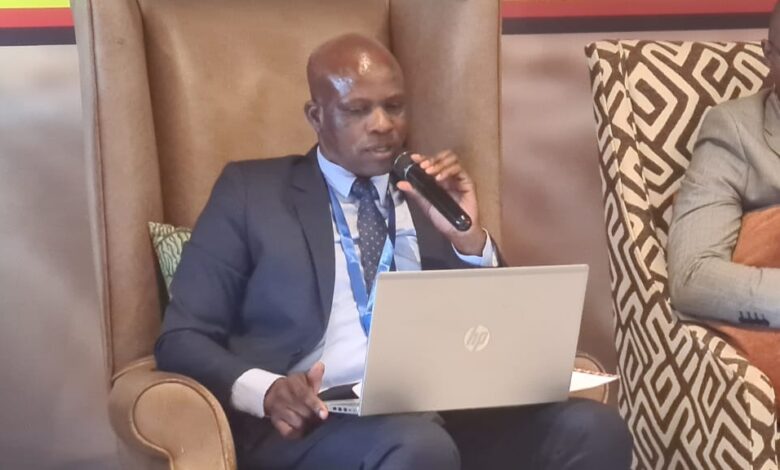
Speaking at the Annual Expert Group Meeting for African Registrars General (EGMRG) in Victoria Falls, Deputy Registrar General for Systems Development and Management Nicholas Chimuriyo said the government is harmonising the Civil Registration and Vital Statistics (CRVS) system with the health sector to improve efficiency, accessibility and data accuracy.
“We are establishing registration centres within our health facilities,” Chimuriyo said.
“This will greatly improve our interoperability whereby a child born, the message will be notified through the system, and by the time he or she leaves the medical institution, they will be holding a birth certificate.”
The initiative forms part of Zimbabwe’s broader digital transformation agenda and was highlighted during the EGMRG conference, which is running from 17 to 22 July 2026 in Victoria Falls.
The integrated system is expected to replace manual, paper-based processes with automated digital data exchange between health institutions and the Civil Registry.
Government officials say the reform will reduce delays in birth registration, improve the accuracy of vital statistics, and ensure consistency across government databases.
Chimuriyo said Zimbabwe already has the foundational databases required for integration, with the remaining task being to fully align the health and civil registration systems.
To achieve this, the government has developed a new system module and is finalising an Application Programming Interface (API) that will enable secure and standardised data sharing between the health sector and the Civil Registry.
The API is scheduled for rollout in the fourth quarter of 2026, alongside training for health workers and civil registration officials on the new digital platform.
“We have made extra strides whereby, through our decentralisation programme, we are establishing registration centres within our health facilities,” Chimuriyo said.
He added that the integrated platform will also support the registration of other vital events, including deaths and cause-of-death reporting, strengthening Zimbabwe’s Civil Registration and Vital Statistics system.
The Victoria Falls meeting has brought together registrars general and civil registration experts from across Africa to chart the future of CRVS systems on the continent over the next decade.
As Zimbabwe shares its digital integration model, delegates are examining its approach to linking health records with civil registration as a pathway towards achieving universal legal identity, improving public service delivery, and strengthening national data systems.