
Churches in Tshabalala, Sizinda and Tshabalala Extension Join Hands for Clean-Up Campaign

Matebeleland Pulse Reporter
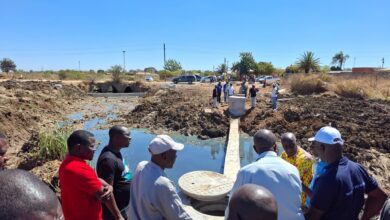
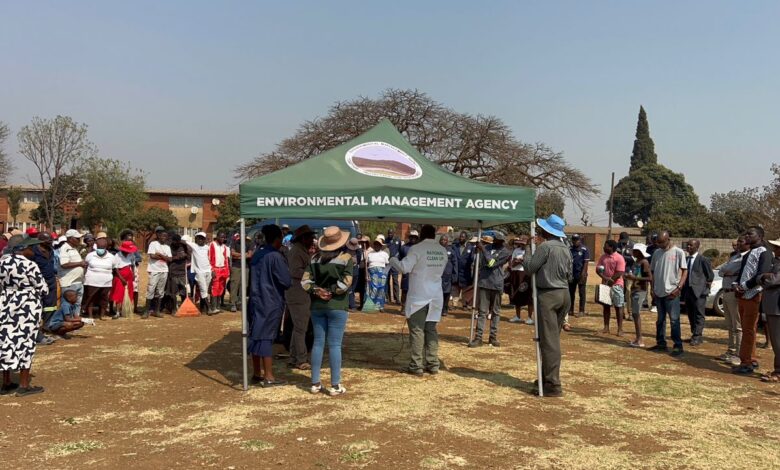
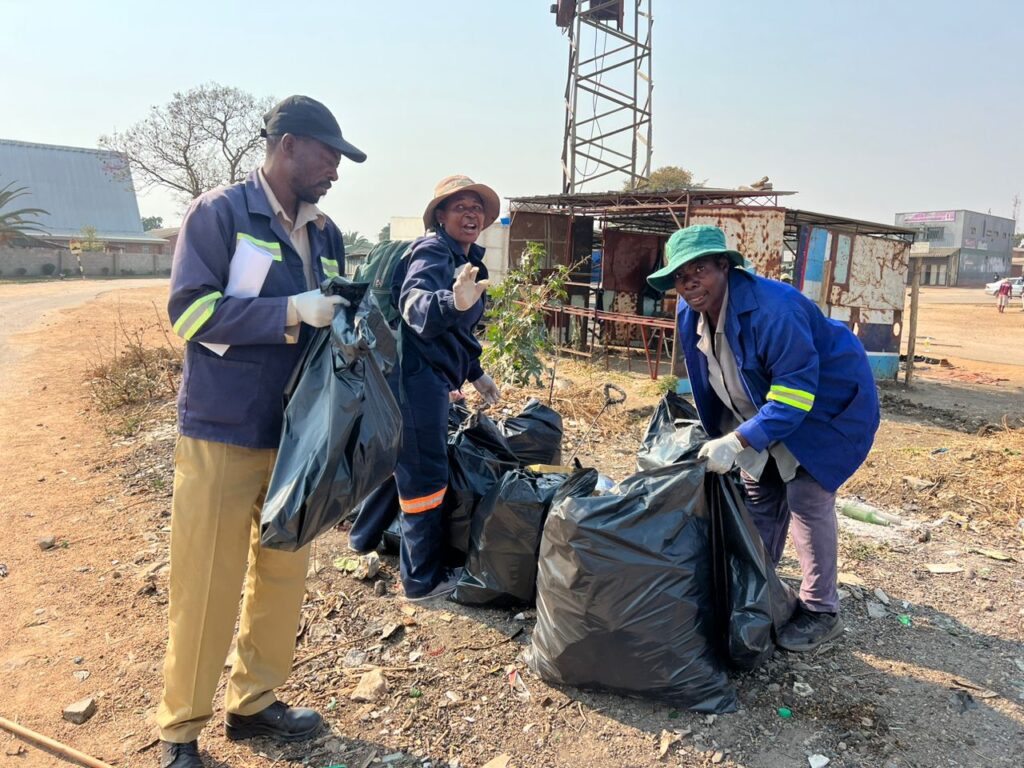
Churches in Tshabalala, Sizinda and Tshabalala Extension yesterday joined hands with residents and other stakeholders in a community clean-up campaign aimed at promoting environmental responsibility and encouraging residents to take greater ownership of their surroundings.
About 16 churches participated in the exercise, which attracted approximately 300 residents, including elderly people, women, learners and youths.
The campaign received support from the Office of the Provincial State Minister, the Office of the President and Cabinet, Bulawayo City Council, the Environmental Management Agency (EMA), Bakers Inn, local businesses, Tshabalala Sizinda Old School and Khaya Arts.
The initiative was held in response to His Excellency President Emmerson Mnangagwa’s call for communities to participate in regular clean-up exercises and take collective responsibility for maintaining a clean environment.
Pastor Everson Ndlovu, the Information and Publicity Officer for the Tshabalala, Sizinda and Tshabalala Extension churches, said the campaign was part of the Church’s effort to make a practical contribution to the communities where its members live and worship.
“The main reason for organising this clean-up campaign was to demonstrate the Church’s commitment to positively transforming the communities in which we live and worship,” said Pastor Ndlovu.
He said the Church viewed caring for the environment as part of its Christian responsibility, referring to Genesis 2:15, which speaks of humanity being placed in the garden “to work it and take care of it.” Pastor Ndlovu noted that a clean environment promoted health, dignity, safety, and the well-being of residents, adding that the campaign reflected the principle that “faith without works is dead” (James 2:17).
“From a Christian perspective, we believe that caring for our environment is part of loving our neighbours. When we keep our surroundings clean, we contribute to the health, dignity and well-being of others. Jesus taught us to love our neighbours as ourselves, and one practical way of demonstrating that love is by ensuring that we do not create environmental conditions that may harm others.”
He said the monthly clean-up campaign was also intended to encourage discipline and consistency in environmental stewardship.“We hope that regular participation will gradually change attitudes and encourage people not to litter in the first place,” he said.
However, Pastor Ndlovu said the clean-up exercise also highlighted challenges that could undermine efforts to maintain clean communities.“One of the major challenges in community clean-up activities is changing people’s attitudes towards waste disposal,” he said.
He said cleaning an area was only part of the solution, as residents could return to littering the same places after a campaign. He also pointed to challenges involving waste-management infrastructure, including the availability of adequate bins and the proper collection and disposal of waste. Pastor Ndlovu added that sustaining community participation every month would require continued awareness, mobilisation and cooperation among residents and organisations.
Despite the challenges, he said the day’s campaign had demonstrated what could be achieved when different sectors of the community worked together.
“Today’s campaign demonstrated that these challenges can be addressed when different sectors of the community work together. The partnership between churches, Bulawayo City Council, government institutions, EMA, businesses, schools, arts groups and residents is an important step towards building a cleaner and more environmentally responsible community,” he said.
Tshabalala Residents Association (TRA) chairperson Albert Ndlovu applauded the churches and residents for uniting around a shared responsibility.
“These clean-up campaigns make a big difference because they bring residents together and remind us that keeping our communities clean is a responsibility we all share,” he said.
He also commended Tshabalala Sizinda Old School for involving children in the exercise, saying environmental responsibility should be encouraged from a young age. The residents association hopes to involve more schools when they reopen.
“I also want to applaud Tshabalala Sizinda Old School for bringing the children to participate. As we say, ‘Isigogo sigoqwa sisemanzi.’ Good habits must be taught from a young age. If we teach our children to respect and look after their environment now, we are creating a generation that will carry that responsibility into the future,” said Ndlovu.
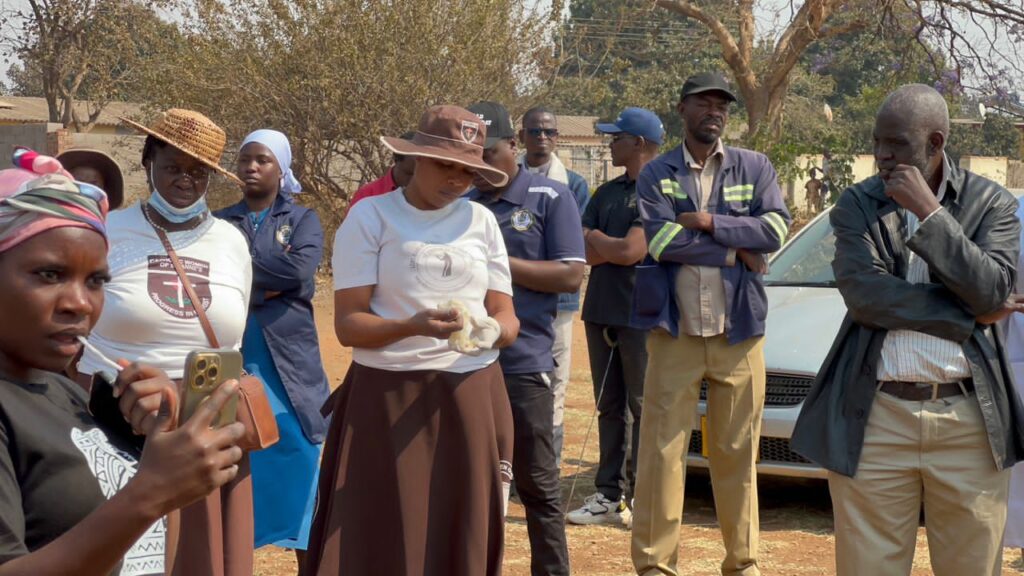
For Holy Cross Parish Youth Advisor Deliwe Madziwanzira, participating in the campaign was an opportunity for residents to take action instead of complaining about the state of their surroundings.
“I participated today because I felt it was my responsibility to be part of the clean-up because I have seen the environment in our community deteriorating,” said Madziwanzira. “As residents, we cannot just sit and complain about the state of our surroundings; we also have to do something about it.”
Madziwanzira said the exercise demonstrated that communities could achieve more when residents worked together.
“I learnt that when we come together as a community, we can achieve a lot. Beyond cleaning, today also gave us an opportunity to meet, connect and build relationships with other residents we did not know,” she said.
She encouraged more young people to join future exercises: “The future belongs to the youth, and the kind of environment they inherit will depend on what they do today. Young people should not wait for someone else to make their communities better—they must step forward and be part of the transformation.”
Pastor Ndlovu said the churches hoped the campaign would become more than a monthly exercise, with residents taking responsibility for keeping their surroundings clean every day.
The churches are calling on residents of Tshabalala, Sizinda and Tshabalala Extension to work together towards cleaner, safer and healthier communities, while encouraging more young people and schools to take an active role in future clean-up campaigns.