
Umthombo Wesintu Cultural Festival Gains Momentum as Khaya Arts Pushes Heritage and Community Empowerment

Chimwemwe Phiri
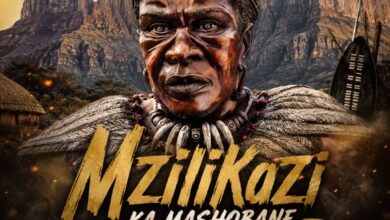
Umthombo Wesintu Cultural Festival 2026 is steadily gaining momentum in Bulawayo as a platform for cultural preservation, artistic collaboration, and youth empowerment.
Speaking during The Weekly Pulse discussion titled “Khaya Arts Umthombo Wesintu 2026 Cultural Festival: Highlights, Impact & What’s Next,” Khaya Arts Director Future Dube said the festival was created to establish a major cultural space within Tshabalala and Sizinda while promoting Bulawayo’s identity as Zimbabwe’s cultural hub.
“The vision is to have an annual festival in Tshabalala that will give a space for all artists from different parts of the country so as to garner more fans and probably learn from each other,” said Dube.
“There has never been a festival of this magnitude in Tshabalala and Sizinda and also we wanted to complement what His Excellency, President Emmerson Mnangagwa said when he declared Bulawayo as the cultural hub.”
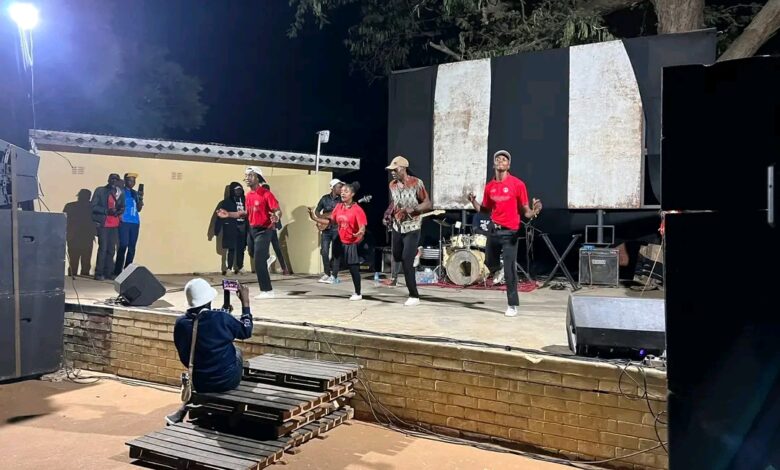
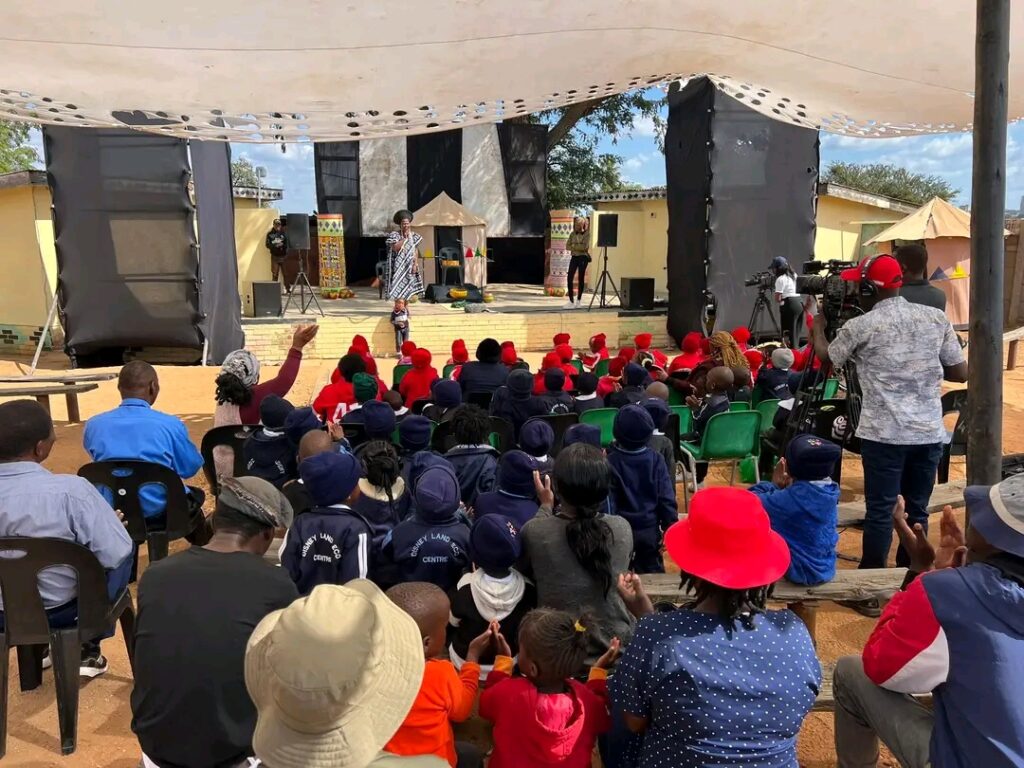
Held during Africa Day month celebrations, the festival has featured music, poetry, storytelling, drama, dance, gastronomy, and educational programs targeting schools and communities.
Dube said the diverse lineup was designed to challenge perceptions about the arts sector.
“The message was especially for the community to understand that arts is not a hobby anymore but a serious business,” he said. “For some it was their first time to see great people like Sotsha Moyo, Jeys Marabini and Albert Nyathi, so that on its own did send a message about arts business.”
Among the standout moments so far, Dube highlighted Ugqozi Lwenkondlo and Iphimbo Lesintu, saying the poetry-centered events exceeded expectations after organizers introduced choreographed performances for poets.
“We curated a unique choreographed performance for the poets and it came out nicely. Even the poets loved it,” he said. “It then got even better when two poets got a sponsor after watching them perform on stage.”
Despite cold weather conditions during some events, Dube said public turnout had remained encouraging, with audiences continuing to attend free performances.
“It has been great so far. We saw them braving the weather,” he said.
As Zimbabwe marks Africa Day month, Dube said the festival shares common goals with continental celebrations by promoting identity, unity, and cultural pride.
“There is a common denominator of celebrating us, preserving our culture and heritage, promoting our talents, building audiences, and fostering unity and collaborations among artists,” he said.
The festival has also focused heavily on intergenerational learning, particularly through engagements between young people and elders.
“These festivals bring together different people and we had a good experience with magogo eMkulwini who gave us a lot of information you won’t just find anywhere,” Dube explained.
“There is great wisdom in grey hair and it is in that regard that young people should take the opportunity to learn from these festivals.”
Upcoming events include school-centered cultural programs, music showcases, and the festival’s official opening on May 23, where the Minister of State is expected to attend as guest of honour. Dube also revealed that Khaya Arts will unveil two newly signed artists during the celebrations.
While optimistic about the festival’s future, Dube acknowledged that financial constraints remain one of the biggest challenges facing organizers.
“Finance, finance, finance,” he said, citing artist payments, transport, refreshments, publicity, and equipment costs among the major expenses.
However, he said passion for the arts continues to motivate the team behind the initiative.
“It’s the love of art in us that keeps us moving. When you love what you are doing you sometimes don’t feel tired or exhausted,” he said.
Dube concluded by calling on residents and the business community in Bulawayo’s high-density suburbs to support local creative initiatives.
“We have criticized ourselves for not supporting our own activities and our artists, so we are saying here is the festival in the heart of the high-density suburbs — by us for us,” he said.
“To all the business community from the high-density suburbs, here is your festival, support it.”
He added that organizers envision Umthombo Wesintu growing into an internationally recognised annual cultural event. “Umthombo is a source of water that gives life, so come and drink from it,” said Dube.