


Peter Moyo
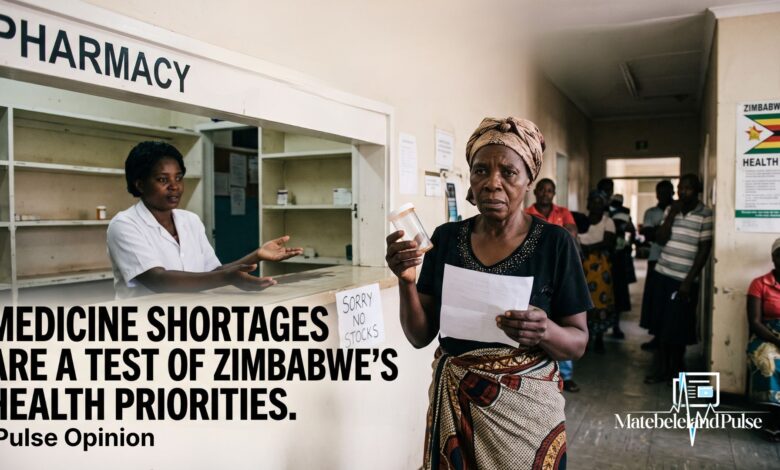
For many Zimbabweans, the greatest anxiety after receiving a diagnosis is no longer the illness itself. It is whether the prescribed medicine will actually be available.
Access to essential medicines is not a luxury. It is one of the most fundamental responsibilities of any health system. The World Health Organization (WHO) states that “essential medicines should always be available within functioning health systems, in sufficient quantities to meet patient needs. They should be available in appropriate dosage forms, be of assured quality, and be affordable for both individuals and the health system.”
Zimbabwe’s own health authorities share this vision. The Ministry of Health and Child Care says the mission of its Directorate of Pharmacy Services is “to provide within the available resources good quality medicines and medical supplies that are safe, effective, accessible, and rationally used to the population of Zimbabwe.” It also sets an ambitious objective “to avail essential medicines throughout the nation, including 100% availability of vital medicines at all times at all levels.”
These are the right aspirations. The challenge is turning them into reality.
Medicine shortages have consequences that stretch far beyond empty pharmacy shelves. When patients cannot obtain prescribed medicines, treatment is delayed, interrupted or abandoned altogether. Families are often forced to search from one pharmacy to another or pay higher prices in the private sector, placing additional strain on already stretched household budgets.
The National Pharmaceutical Company (NatPharm), whose mandate is to procure, store and distribute medicines and medical supplies to public health institutions, plays a critical role in ensuring that medicines reach health facilities across the country. Strengthening this supply chain should therefore be treated as a national priority rather than simply an administrative function.
Encouragingly, Zimbabwe’s National Health Strategy recognises this. It calls for improved transparency, effectiveness and efficiency in the procurement and supply chain management system, including better accountability and electronic logistics management systems to improve access to essential medicines.
These policy commitments deserve recognition. But policies alone do not treat patients. Medicines do.
Ensuring a reliable supply of essential medicines requires consistent funding, efficient procurement, sound forecasting, strong stock management and support for local pharmaceutical manufacturing where economically viable. It also demands transparency so that citizens understand the challenges and the progress being made to address them.
Every stock-out represents more than a logistical failure. It represents a diabetic patient worried about missing insulin, a child waiting for antibiotics, or a family wondering whether they can afford to buy medicines privately.
Zimbabwe has clearly articulated what it wants its health system to achieve. The WHO has also outlined what every functioning health system should provide. The gap between these commitments and patients’ lived experiences should concern everyone—not only policymakers, but all citizens.
The true measure of any health system is not the number of policies it produces, but whether a patient leaves a clinic with the medicine they have been prescribed. Zimbabwe has the policy framework, the institutional structures and the stated commitment to achieve this goal. The challenge now is ensuring that these commitments are consistently reflected on pharmacy shelves across the country. Until then, medicine shortages will remain one of Zimbabwe’s most urgent public health tests.
The views expressed in this article are those of the author and are intended to encourage public discussion on medicine availability and healthcare policy in Zimbabwe. They do not necessarily reflect the views of the publication.