
Volunteers Lead Restoration Effort at Historic Danangombe (Dhlodhlo) National Monument-The Last Capital of the Rozvi Empire

Tracy Moyo
Local and international volunteers have joined heritage conservationists and royal descendants of the historic Rozvi State to restore and preserve the historic Danangombe (Dhlodlo) National Monument in Matabeleland South.
The week-long national community service initiative, which began on July 12 and runs until July 18, 2026, is a collaborative effort between the Zimbabwe Workcamp Association (ZWA), the Department of National Museums and Monuments, and descendants of the historic Rozvi State, led by Emmanuel Kanjoma.
The initiative aims to safeguard one of Zimbabwe’s most significant archaeological treasures while fostering youth volunteerism, cultural exchange, and environmental stewardship within the local community.
The Danangombe National Monument, which spans hundreds of hectares, is rich with history but highly vulnerable to environmental degradation.
Mr. Gumbo, the caretaker of the monument, emphasized the scale and archaeological value of the site:
“The monument spans approximately 700 hectares and preserves extensive archaeological remains, including stone enclosures, house platforms, grain bin foundations, metallurgical evidence, and decorated granite walls. It is located in the Insiza District of Matabeleland South Province, right here in Shangani.”
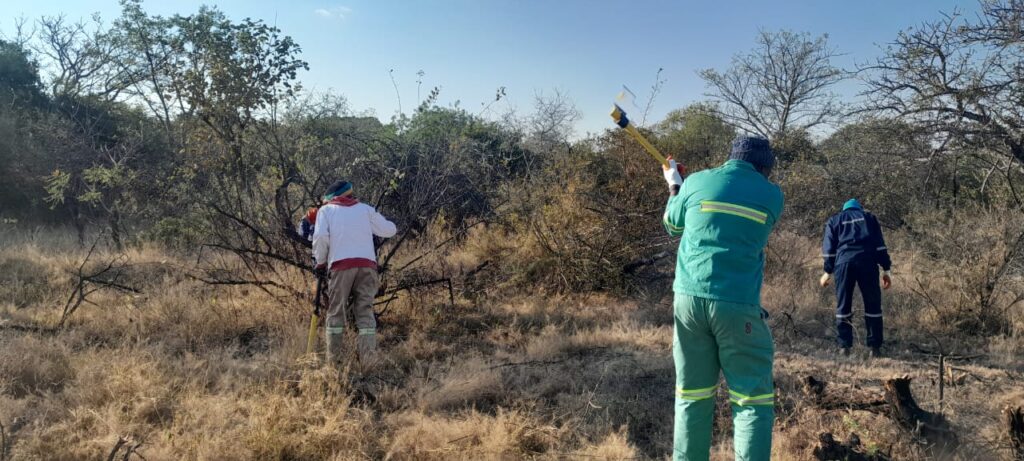
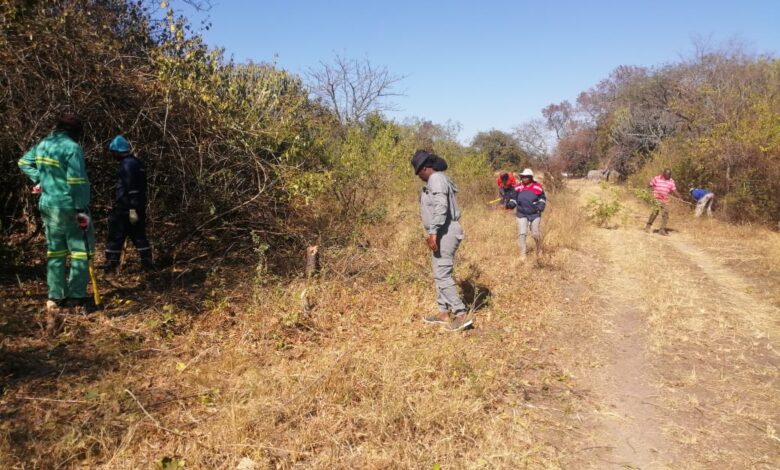
To protect these ancient features, volunteers have been working on the ground to clear invasive vegetation, open up overgrown walking trails, and trim low-hanging tree canopies. These efforts are designed to enhance the landscape for visitors and, critically, to reduce the risk of devastating veld fires.
Danangombe, also known as Dhlodhlo, was the last capital of the Rozvi Empire. Heritage custodians say the monument remains one of Zimbabwe’s lesser-known historical sites despite its cultural and archaeological significance. They believe continued conservation efforts and increased public awareness could strengthen its role in preserving the country’s history and contribute to cultural tourism.
The initiative holds deep cultural significance for the descendants of the Rozvi Empire. Emmanuel Kanjoma, a descendant of the last Rozvi King, Tohwetjipi—who died in 1873 and is buried in the Mavangwe Hills in Buhera—is leading the cultural side of the campaign. Kanjoma also serves as the chairman of the Rozvi Empire, a group representing descendants of Changamire Dombo.
Mr. Kanjoma said the clean-up forms part of broader efforts to preserve Rozvi heritage and traditions.
“We focus on preserving the heritage and legacy of all monuments built by Changamire Dombo. Our goal is to revive our traditional culture and the Rozvi language, which is, to all intents and purposes, similar to present-day Kalanga.”
He said the current programme builds on previous conservation work undertaken at Khami National Monument and is expected to become an annual initiative.
“This clean-up campaign is not our first. As a group, we have been doing this for the past two years at the Khami National Monument, where we planted indigenous fruit trees and donated a 5,000-litre water tank. The conservation works at Danangombe are going to be an annual event, coupled with other cultural activities, to promote and provide the proper history of these monuments.”
Through partnerships between state departments, youth workcamps, and historical custodians like the Rozvi descendants, the initiative hopes to establish a sustainable model for community-led heritage preservation across Zimbabwe.