Buhlebenkosi Nkomo
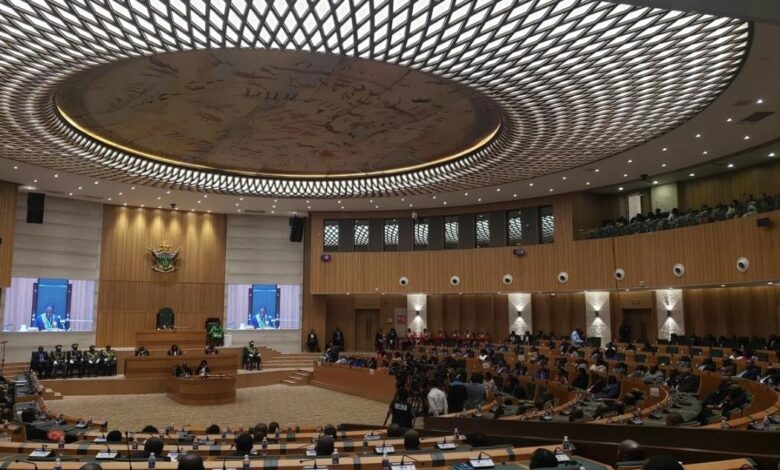
HARARE — Improved access to water, electricity and other basic infrastructure could help reduce the burden of unpaid domestic work carried largely by women and girls in rural Zimbabwe, Parliament heard.
The issue was raised during debate on a motion calling for the recognition of unpaid care and domestic work as a vital part of national development.
MPs said women in rural areas often spend significant amounts of time fetching water and firewood before undertaking household responsibilities such as washing, cooking and caring for family members.
One MP told the National Assembly that women in rural households can spend about 30 minutes accessing water from rivers located some distance from their homes.
The MP said women then return home to wash clothes and dishes, cook, and ensure that household members are fed and cared for.
The MP argued that bringing water closer to homes could significantly reduce the burden.
“What we need to do is to bring water close to the homes,” the MP said, suggesting that households could access water from boreholes. The MP also called for readily accessible tap water in urban areas.
Another MP, Hon. Pinduka said women and girls were the hardest hit by unpaid domestic and care work in most rural communities.
He linked the provision of water through Village Business Units and the Presidential Borehole Drilling Scheme to efforts to reduce the burden on women and girls.
The debate also identified energy access as another area where infrastructure could reduce women’s workload.
MPs raised the use of firewood for cooking and called for alternatives, including affordable gas, biogas and rural electrification.
The issue of infrastructure was also included in a presentation on the International Labour Organisation’s five-R framework for addressing unpaid care work.
The framework calls for reducing unpaid care through investment in care-supporting infrastructure, including clean water, energy access, childcare facilities, and time-saving technologies.
MPs also linked infrastructure to women’s economic participation.
One MP proposed irrigation schemes as a way of helping rural women generate income and reducing the difficulties they face in providing food for their families.
The debate comes as Parliament considers broader recognition of unpaid care work, which MPs said is largely carried out by women and girls.
The motion called for policy and legislative measures to recognise unpaid care work and for greater investment in social protection, infrastructure, and social services.