


Buhlebenkosi Nkomo
Members of Parliament have raised alarm over what they described as dangerous gaps in Zimbabwe’s laws that are allowing illicit alcoholic beverages and harmful substances to remain on the market, despite arrests of those involved in their sale.
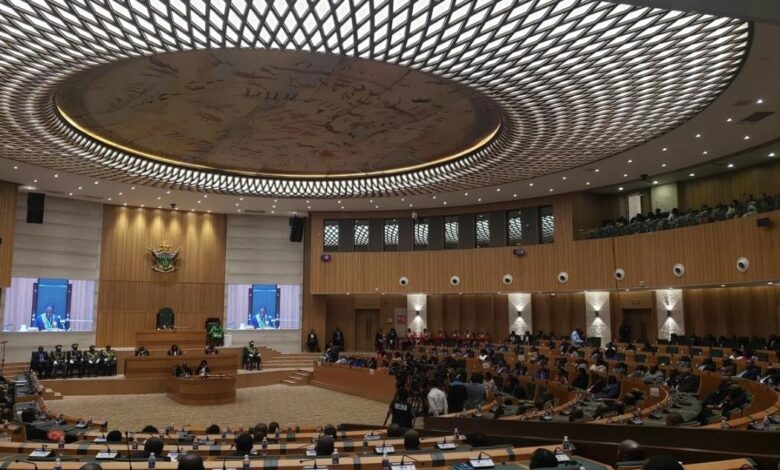
Debating the Biological and Toxin Weapons Crimes Bill, legislators said weak legislation is undermining efforts to curb the sale of dangerous products that continue to claim lives across the country.
Contributing to the debate, Hon. Nyabani said the country needs stronger laws that leave no room for offenders to escape prosecution.
“There used to be some substances that contained 40% alcohol. They are still circulating in the country and people are dying from those substances,” he told Parliament.
The legislator said while Government had introduced statutory instruments targeting drug dealers, enforcement remained ineffective because of legal loopholes.
“When these people are arrested and taken to court, they are discharged on the basis that there is no such legislation,” he said.
Nyabani urged lawmakers to ensure the proposed legislation addresses a broader range of public health threats rather than focusing solely on biological weapons.
“The legislation we are putting in place must also consider people who are coming into the country from Mozambique,” he said, adding that authorities should strengthen the inspection of imported products and tighten licensing systems.
He further called for stricter border controls and better screening of imported goods.
“We must thoroughly inspect everything that is imported into our country, be it food, donations, clothing or any other goods. We should have the necessary equipment and systems to examine all imported items… to ensure that they do not pose a threat to public safety,” Nyabani said.
The Biological and Toxin Weapons Crimes Bill is primarily intended to domesticate Zimbabwe’s obligations under international treaties prohibiting biological weapons. However, MPs used the debate to highlight wider concerns about illicit substances and public safety, arguing that stronger legislation is needed to protect Zimbabweans from dangerous products already circulating in the country.