
Zimbabwe’s “White Gold Rush” Comes at a Hidden Cost for Women, A Research Reveals.

Thandeka Mpofu
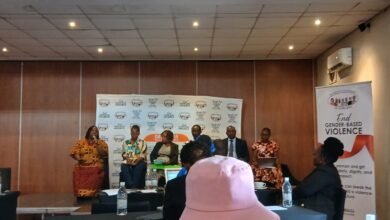
A new study launched virtually by the Economic Justice for Women Project (EJWP) has highlighted concerns about the social, economic and environmental impacts of mineral extraction on young women in Zimbabwe’s mining communities.
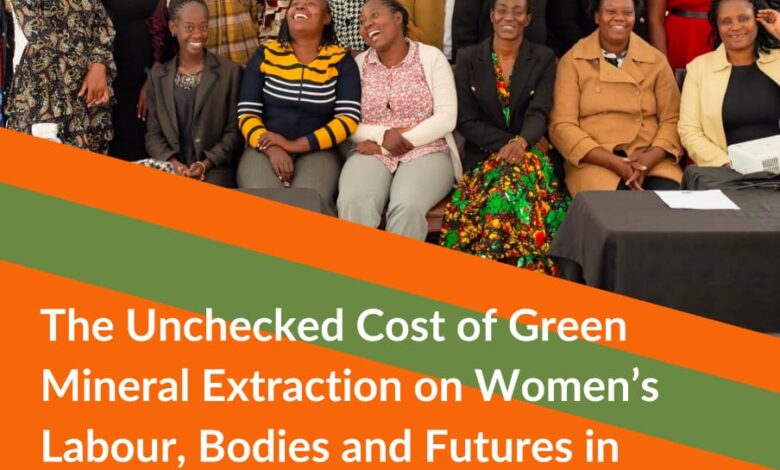
The research paper, titled “The Unchecked Cost of Green Mineral Extraction on Young Women’s Labour, Bodies and Futures in Zimbabwe,” examines the effects of increasing demand for critical minerals such as lithium on communities located in mining areas.
Presenting the findings during the virtual validation and launch on Friday, researcher Memory Kadau noted that Africa holds nearly 30% of the world’s proven critical mineral reserves.
“While demand for battery metals is projected to quadruple by 2035, Zimbabwe is expected to play a significant role in powering the global clean energy transition,” she said.
The study focused on mining communities in Buhera, Bikita, Mutoko and Goromonzi. According to the findings, while demand for critical minerals continues to grow, local communities face challenges including poverty, environmental degradation, health concerns and limited participation in decision-making processes.
The report found that women and girls in mining communities experience increasing water and energy insecurity. Young women reportedly travel longer distances to access clean water while mining operations continue nearby.
Participants in the study reported contamination of local water sources, which they said had increased unpaid care work for women responsible for securing water for their households.
One community representative commented, “What alarms me most is the irony, women in mining towns stay trapped in poverty cycles while existing legislation fails to close the protection gap.”
The research also documented the loss of agricultural land and livelihoods as land is converted for mining activities. Women interviewed during the study said they were often excluded from compensation processes and decision-making structures despite being affected by displacement and environmental changes.
Health-related concerns were also raised by participants, including respiratory illnesses, skin conditions, gender-based violence, sexually transmitted infections and child marriages. Some participants described mining communities as “war zones” due to the social and environmental pressures associated with extractive activities.
Speaking on behalf of the organisation, EJWP director Margaret Mutsamvi said women are carrying increased unpaid care responsibilities as pollution, water shortages and illness place additional demands on households. She said caring for sick relatives, travelling longer distances for water and maintaining livelihoods under changing environmental conditions can affect women’s economic participation.
She described the organisation’s research experience in Mberengwa as “an emotional turmoil” and called for policy reforms aimed at ensuring mining contributes to sustainable development and community wellbeing.
Among the recommendations outlined in the report are the enactment of a strengthened Mines and Minerals Bill that includes mandatory Gender Impact Assessments, implementation of Free, Prior and Informed Consent (FPIC) principles, and measures to promote women’s participation in community decision-making processes.
The study cited Goromonzi as an example of gender disparities in the sector, noting that all 30 licensed small-scale miners in the area are men.
Mutsamvi also urged mining companies to invest in environmental rehabilitation and implement measures to address gender-based violence and sexual exploitation.
“Companies should provide women equal opportunities at mining sites rather than limiting them to administrative duties,” she added.
The report contributes to ongoing discussions around a just energy transition and the role of local communities in Zimbabwe’s mining sector.
Reflecting on similar experiences elsewhere in the region, Rhodha Mwanza said, “I had the privilege of working in the Ministry of Gender here in Zambia. I would say that what the report found is also common in my country. Cases of Gender Based Violence, including child marriage and sexual exploitation, happen in the mining communities.”
As global demand for critical minerals continues to increase, the study raises questions about how Zimbabwe can balance mineral-driven economic growth with the rights, wellbeing and livelihoods of communities living in mining areas.